
No items found.
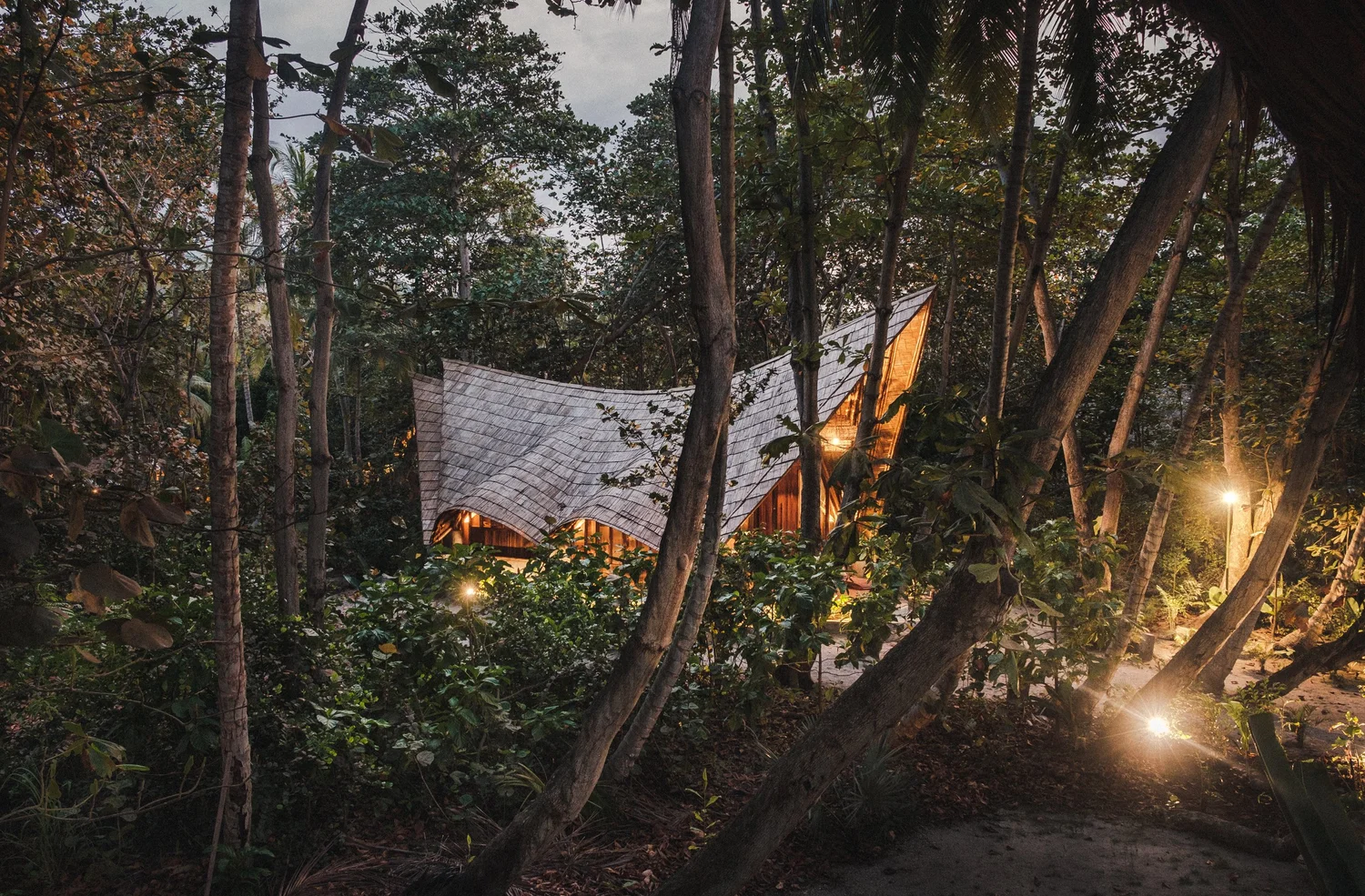
Gitana del Mar is a small beach retreat on Colombia's Caribbean coast, beneath the Sierra Nevada mountains. Its eleven bungalows are built from wood, bamboo and clay, set in a garden behind a wide, wild beach where the ocean stays loud through the night.
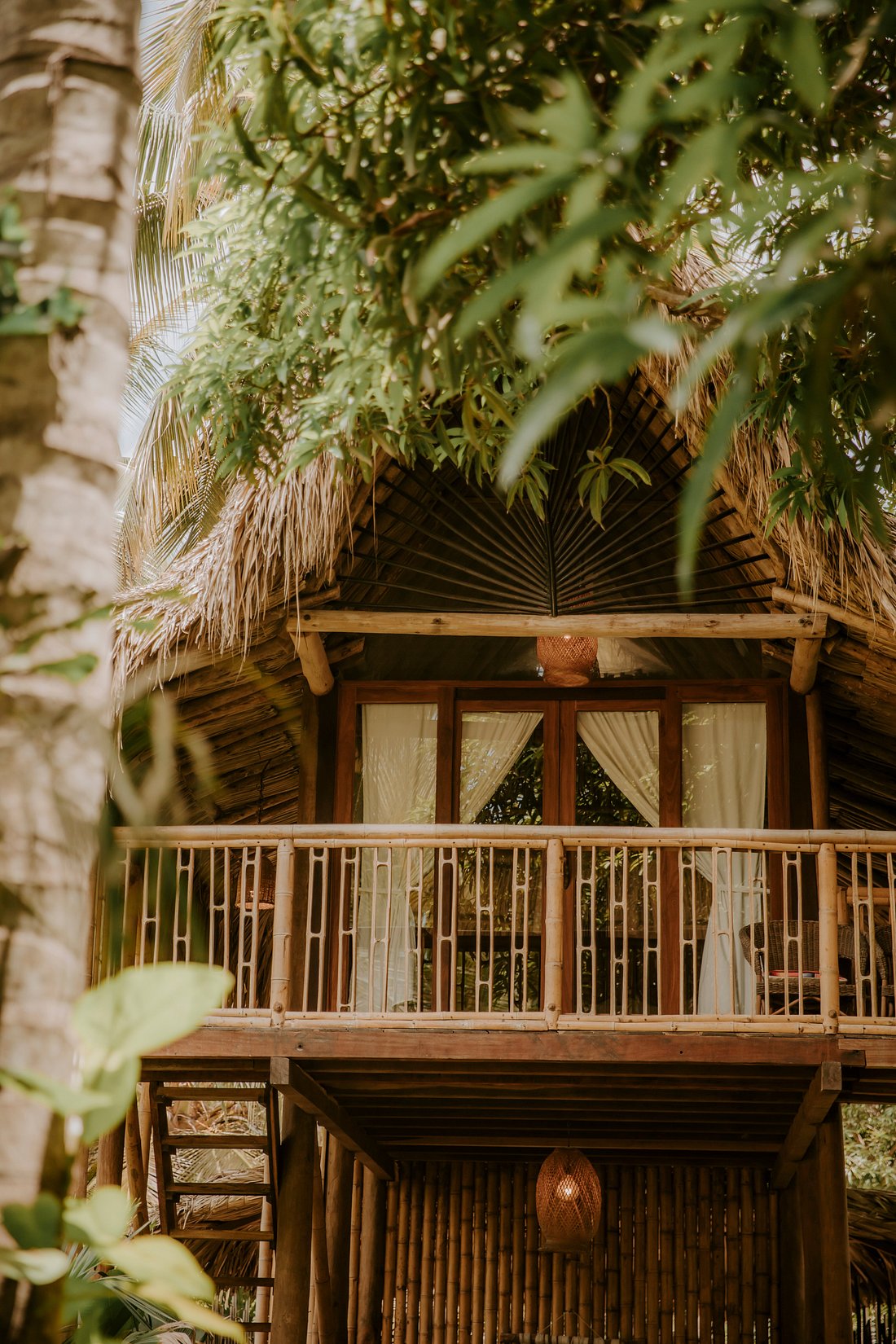
Built from wood, guadua bamboo and palm thatch, the bungalows at Gitana del Mar are spread through a garden behind a wide, open beach on Colombia's northern coast. The Sierra Nevada de Santa Marta rises a short way inland, the highest coastal mountain range in the world, its peaks snow-capped even at this latitude and close enough that rivers running off them reach the sea within a few kilometers in either direction.
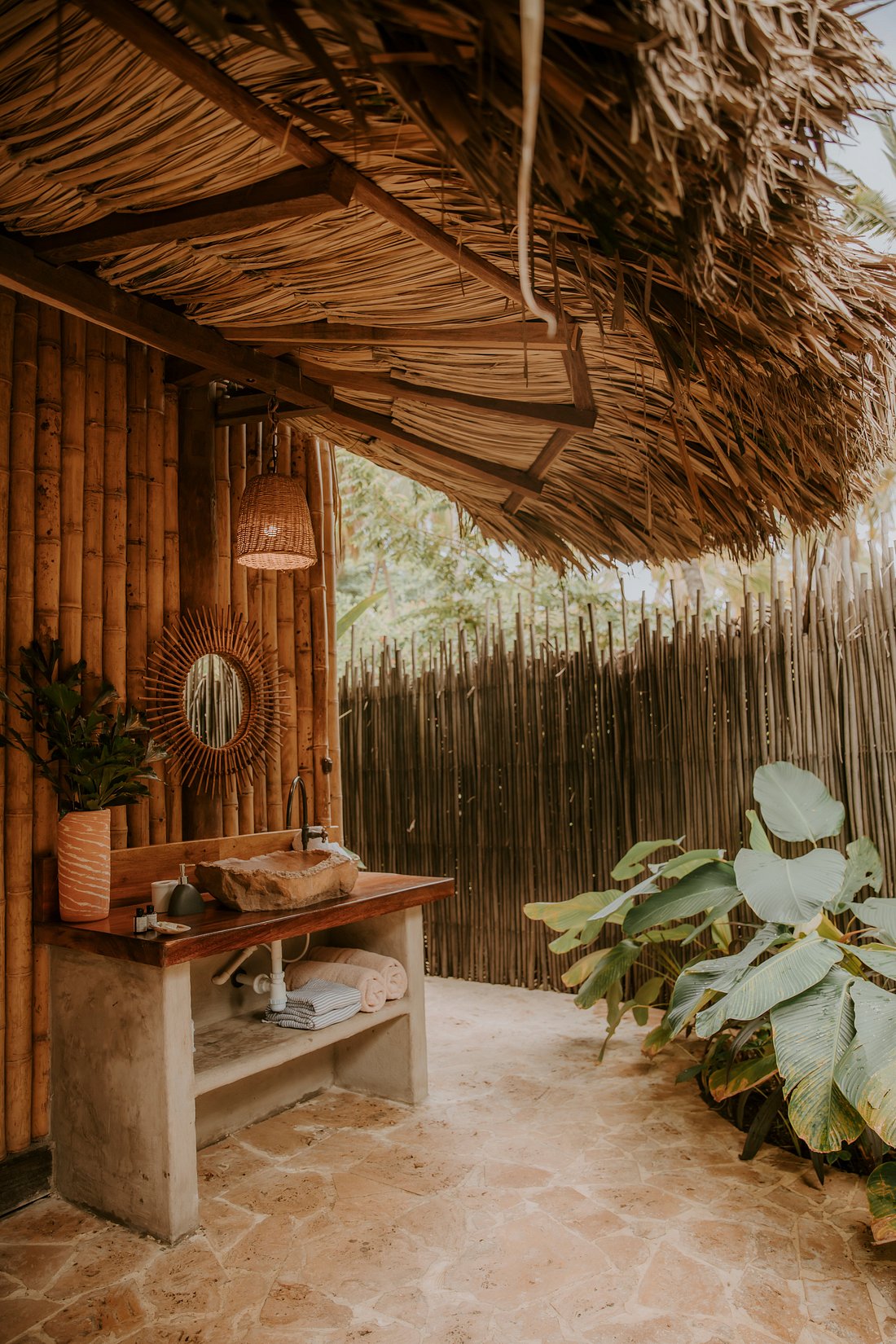
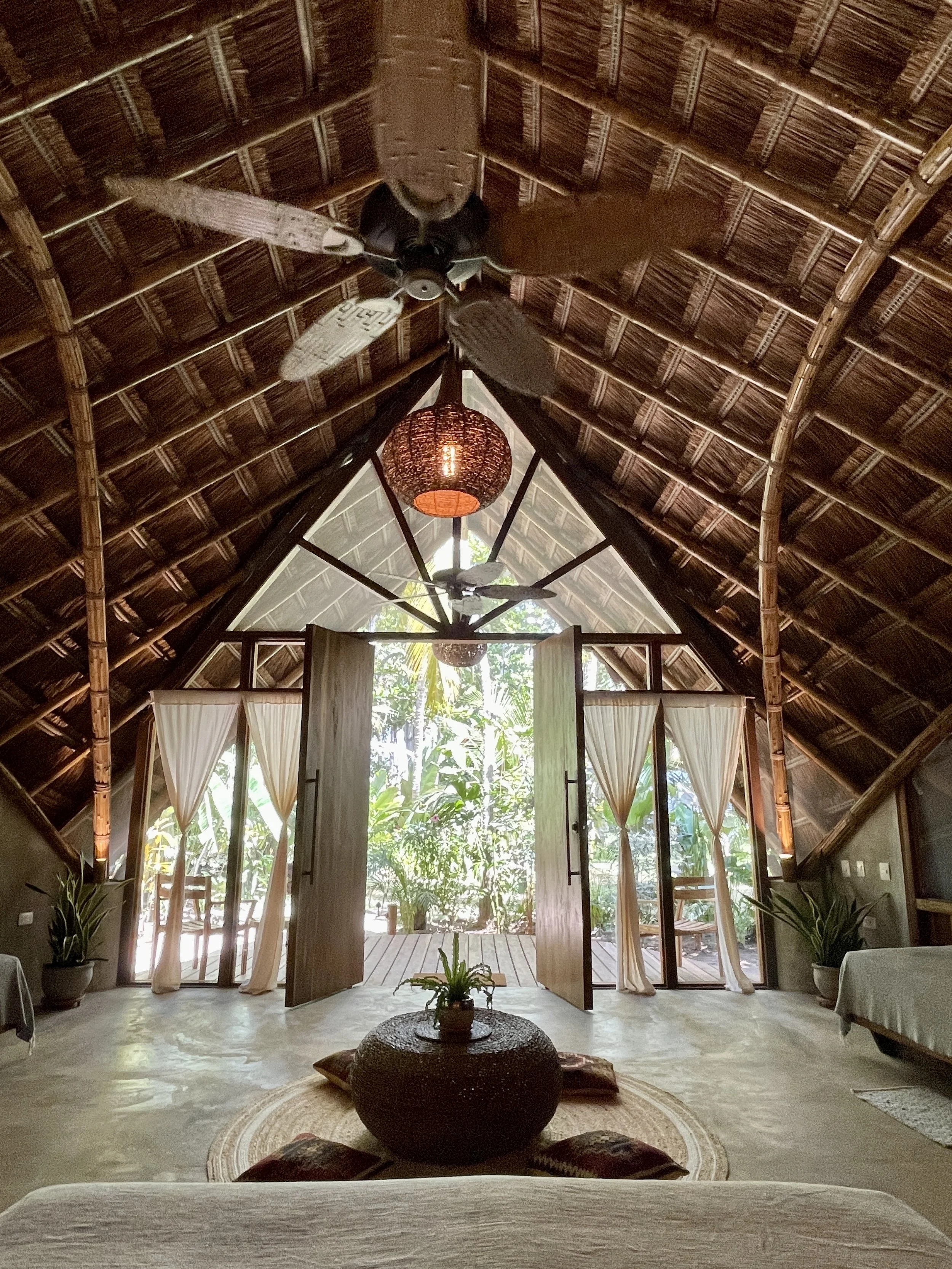
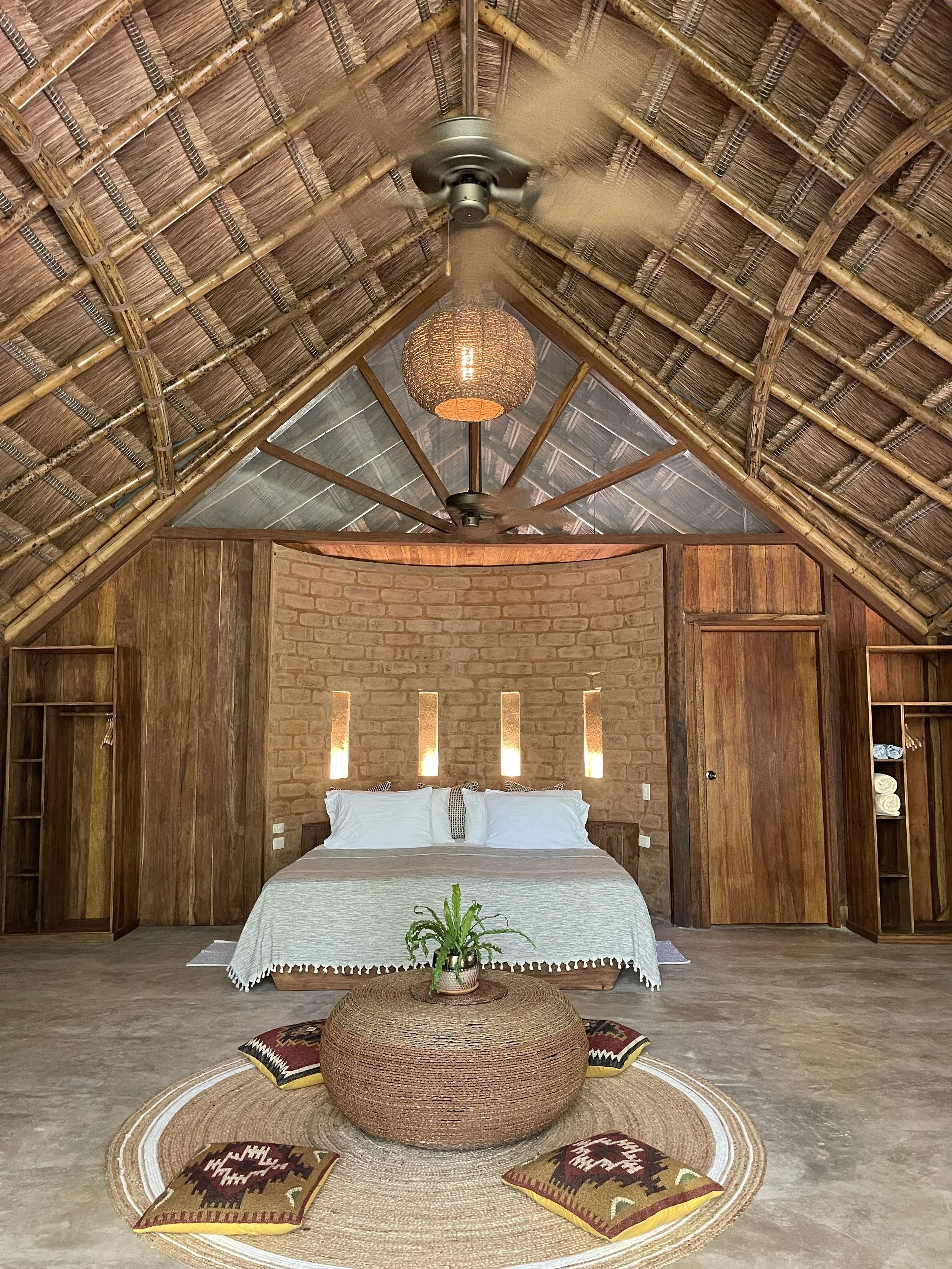
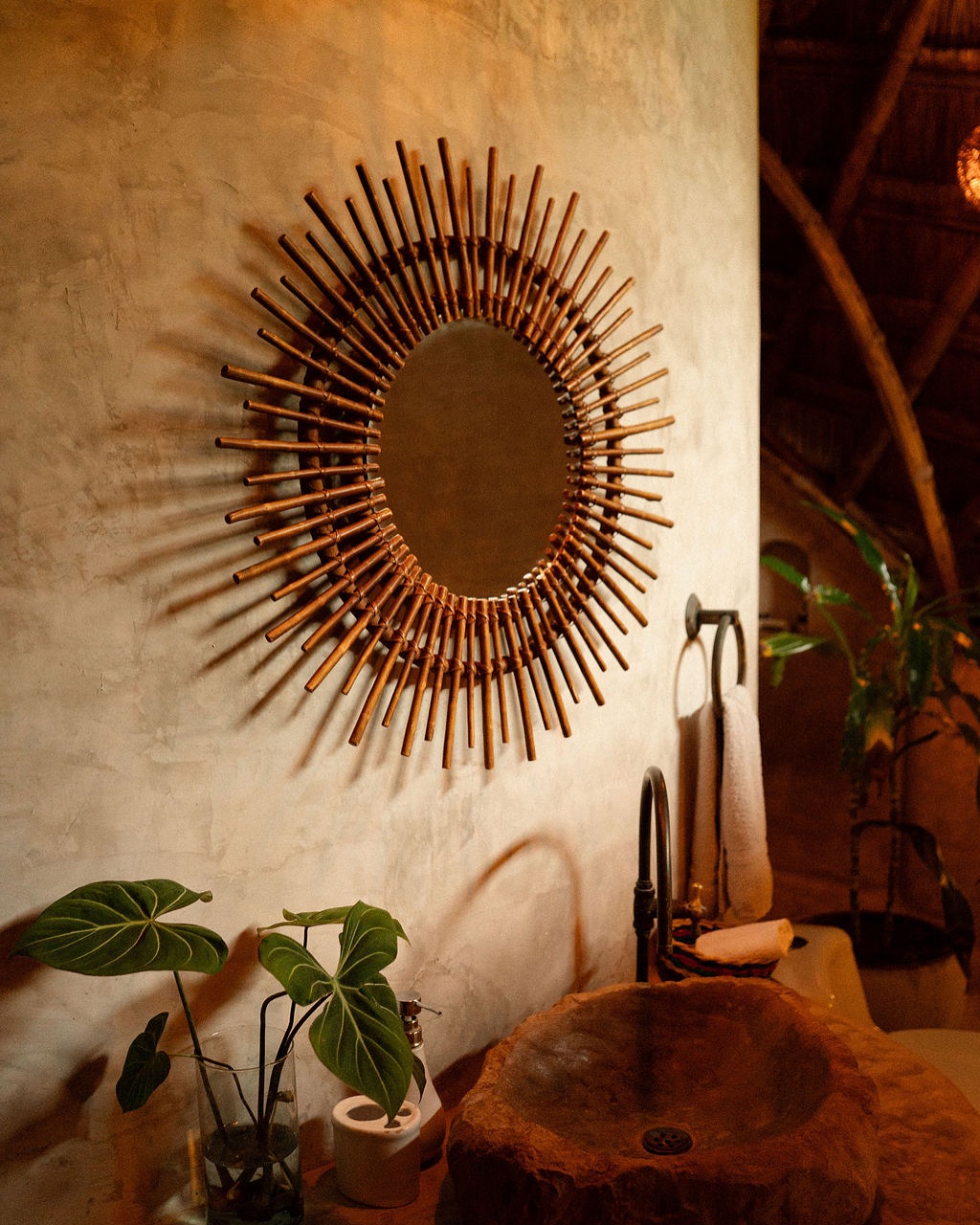
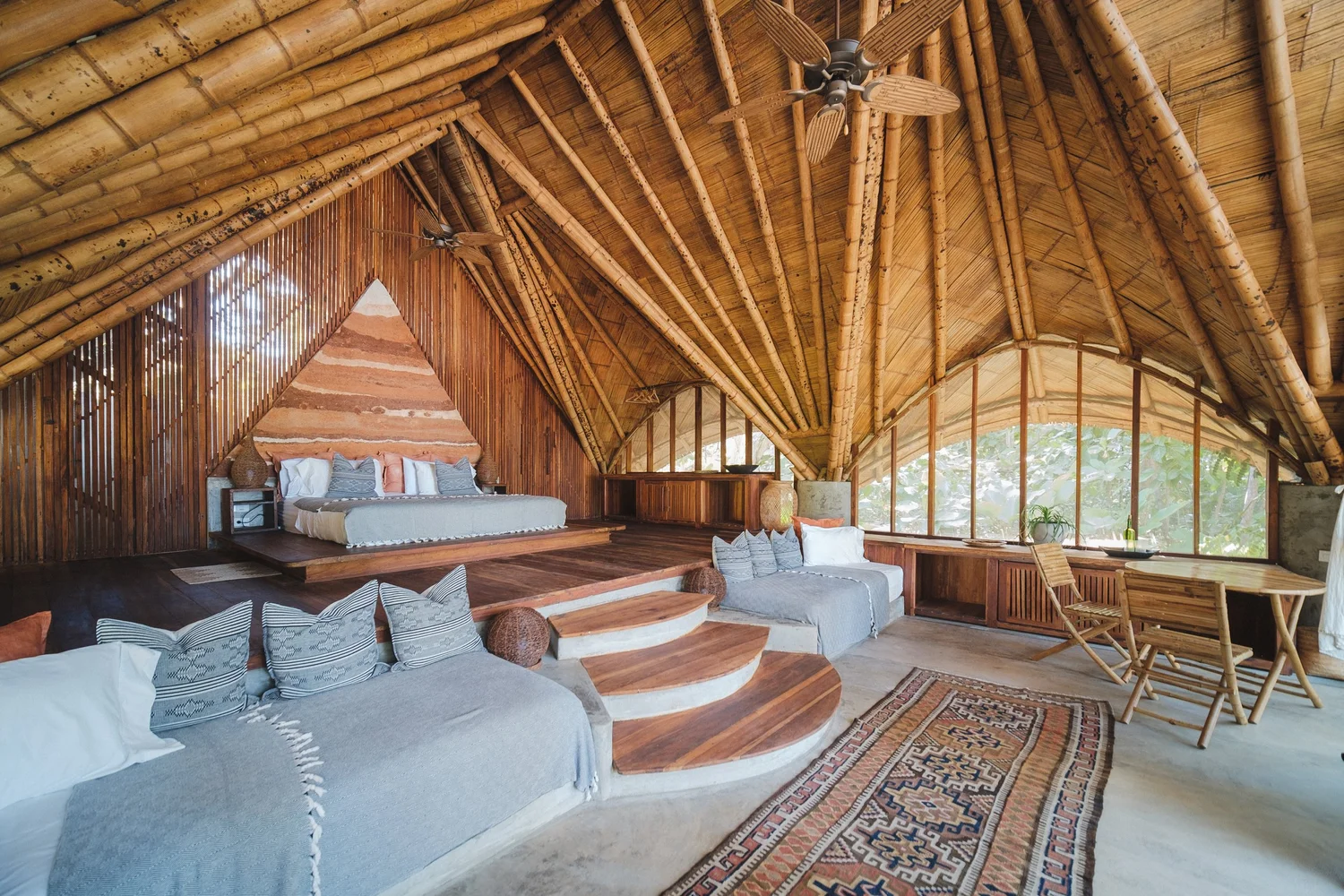
There are eleven bungalows in all. Each has a vaulted roof of palm fronds, a building method the indigenous communities along this coast have used for generations, and the height of the ceilings keeps the rooms cool. There is no air conditioning anywhere on the property, only ceiling fans and the breeze off the water. The largest room, Bungalow Sierra, runs to around 80 square meters under a cathedral-style frame of native guadua bamboo and hardwood, with walls of clay from the lower mountains and a shower lined with shells. Others are all timber, set closer to the sand, with private bathrooms open to the air and showers under the sky. None of the rooms have a television.
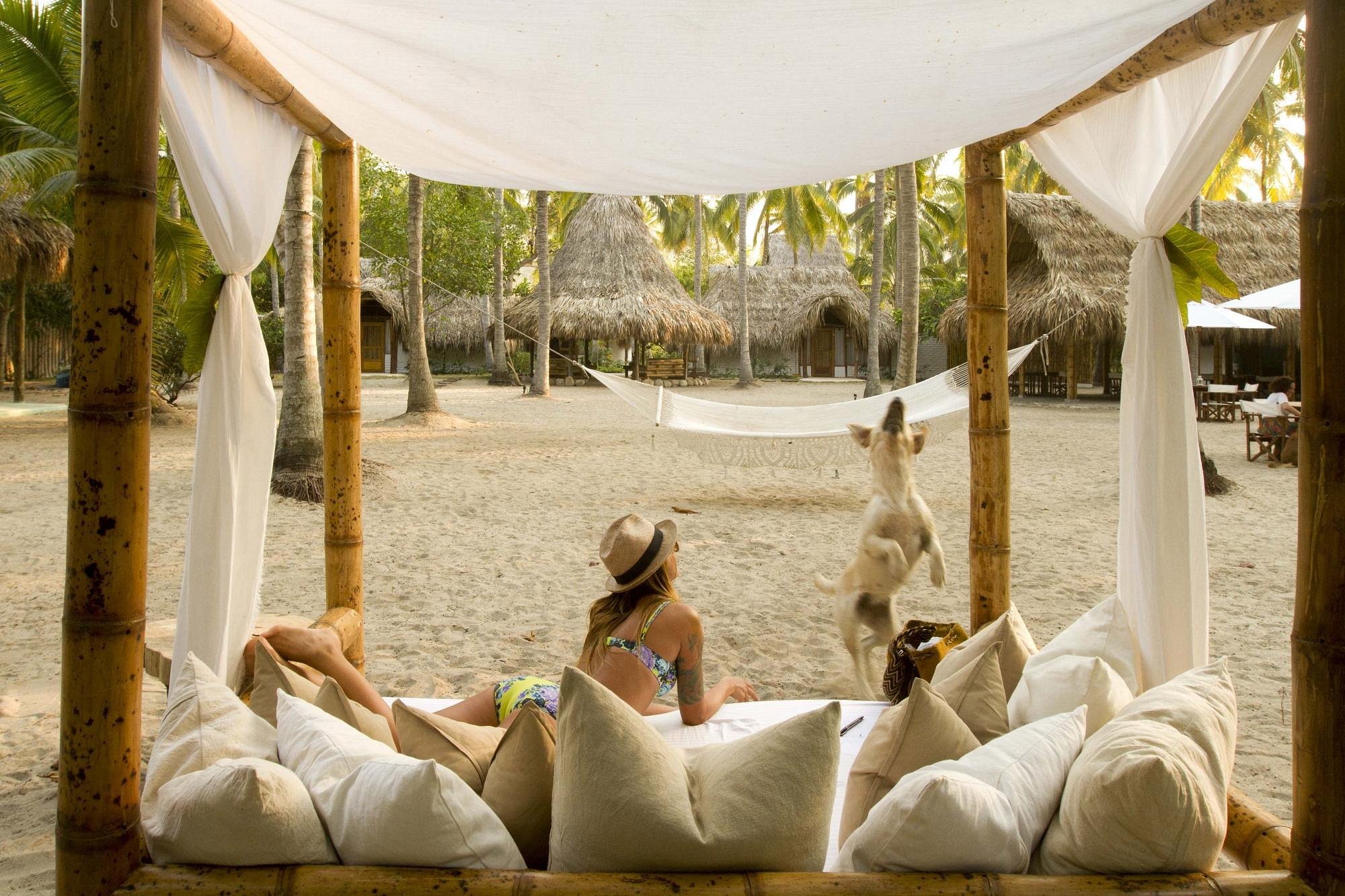
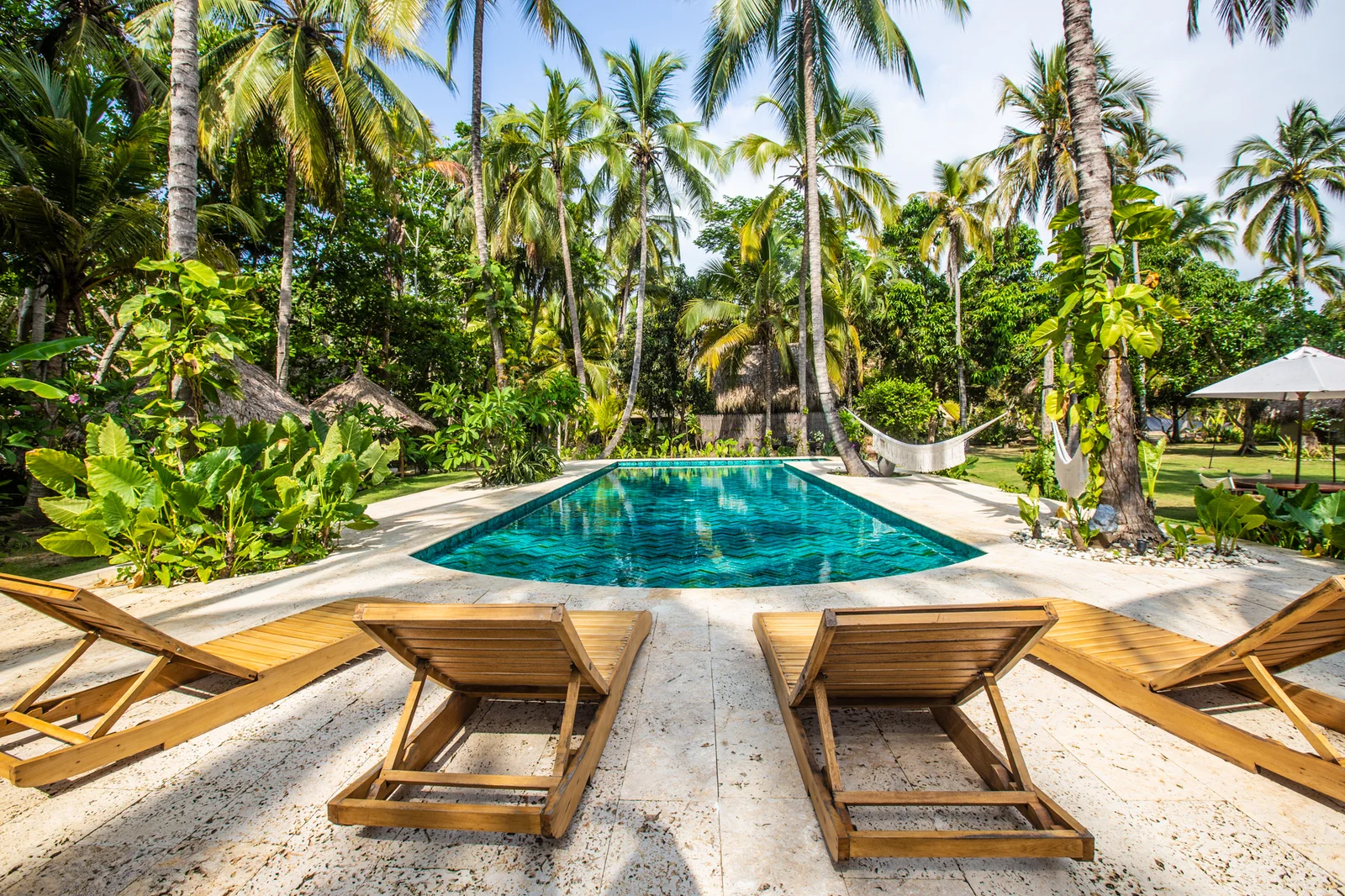
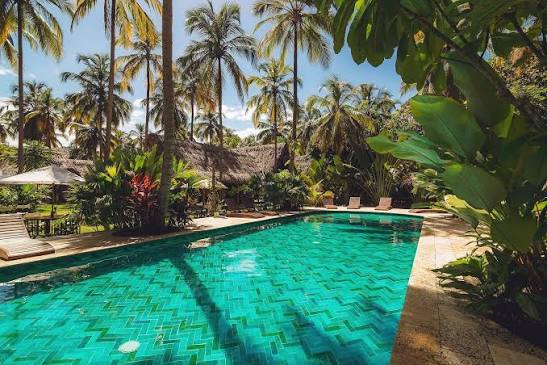
The ocean in front is the open Caribbean, often rough, with a current that runs even on calm days and long stretches of empty sand in both directions. Most swimming happens in the green-tiled saltwater pool. Four dogs live on the property and tend to fall in step with whoever is walking the beach. There is a yoga shala above the sand and a small spa running massages and treatments near the water. At night the surf is loud enough to sleep by.
Meals are included, three a day, and the kitchen builds them around what the local fishermen bring in and what is ready in the gardens: fish and seafood, fruit and herbs, Colombian dishes alongside Thai and Mediterranean ones. There is no set menu, so it changes daily. Fresh tropical juices come with every meal, pressed from passion fruit, guava, lulo, mango and whatever else is in season. The bar handles cocktails, wine and beer separately.
Service is close and personal. The staff arrange the day trips, sort transport, and pack lunches for anyone heading out to hike or to the rivers. There is no nightlife to speak of: the only beach bar within reach is a ten-minute walk down the sand.
Surfing here means the breaks scattered along this part of the coast, where rivers pour out of the Sierra Nevada and shape the sand. The Buritaca river mouth is minutes away, and a string of beach breaks runs west toward Santa Marta.
The mountains behind are sacred to the Kogui, Arhuaco and Wiwa peoples, who call the Sierra Nevada the Heart of the World and still live across its slopes. Their woven mochila bags have become a national emblem. Deep in the range is Ciudad Perdida, a stone city built by the Tairona centuries before the Spanish arrived, reached on a multi-day trek through the jungle. The entrance to Tayrona National Park, where the forest runs straight down to the Caribbean, is about fifteen minutes away by road.



The closest wave is the Buritaca river mouth, a few minutes up the coast: an exposed river and point break that holds size and picks up swell more often than most spots along here. The rips run strong and it can get busy. About fifteen minutes west, Costeño Beach is a mellower beach break with surf schools and forgiving take-offs, better for beginners. Palomino, around forty-five minutes east, is another river-mouth break worth the drive. The Caribbean season runs roughly December to March, when northeast windswells are most consistent. Crowds stay light once you move away from Buritaca and Costeño.
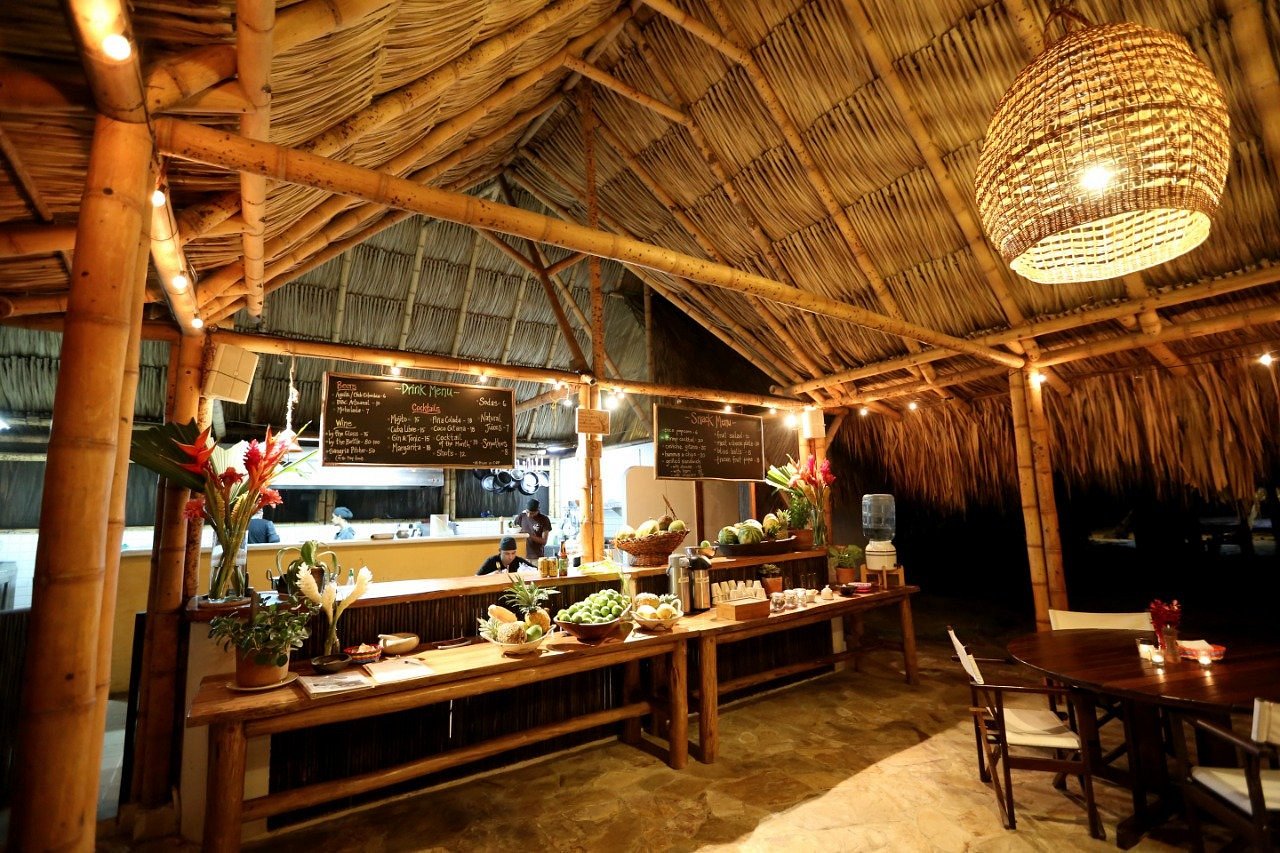
All three meals come with the room, served in an open, breeze-cooled dining room near the beach. The kitchen, La Cocina Gitana, works with local fishermen and pulls fruit, vegetables and herbs from its own gardens. There is no fixed menu: dishes change daily around the day's catch, with Colombian recipes running alongside Thai and Mediterranean flavors. Fish and seafood feature heavily, and vegetarian, vegan and gluten-free plates are made on request. Fresh-pressed juices come with every meal, from passion fruit, guava, lulo and mango. Cocktails, wine and beer are ordered separately from the bar, which stays open until about eleven.
This stretch of coast lies below the Sierra Nevada de Santa Marta, the world's highest coastal mountain range, whose snow-capped peaks rise close to the sea. The indigenous Kogui, Arhuaco and Wiwa peoples regard it as the Heart of the World, and the Tairona ruins of Ciudad Perdida, Colombia's Lost City, lie deep in the range. The entrance to Tayrona National Park is about fifteen minutes away. The hotel is roughly 65 kilometers from Santa Marta and its Simón Bolívar Airport, about an hour and fifteen minutes east along the coastal highway. Cartagena is around four and a half hours west.
Address: Km 46 Troncal del Caribe Santa Marta, Magdalena, Colombia
Related hotels
