
No items found.
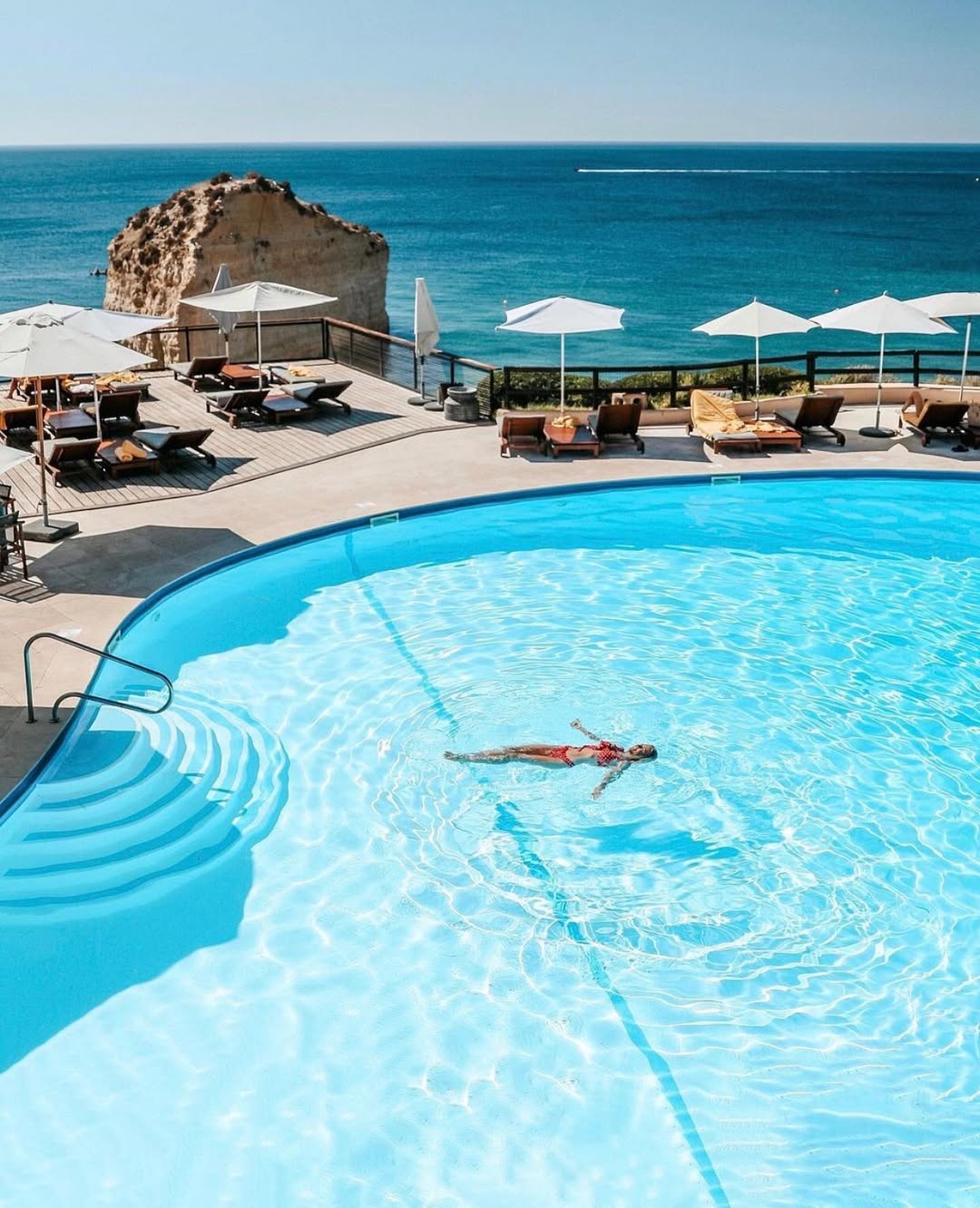
Up in the volcanic hills above Lanzarote's south coast, ringed by the black-gravel vineyards of La Geria. Adults only, low and whitewashed, with a curved pool cut into the terrace and views over the vines to the sea.
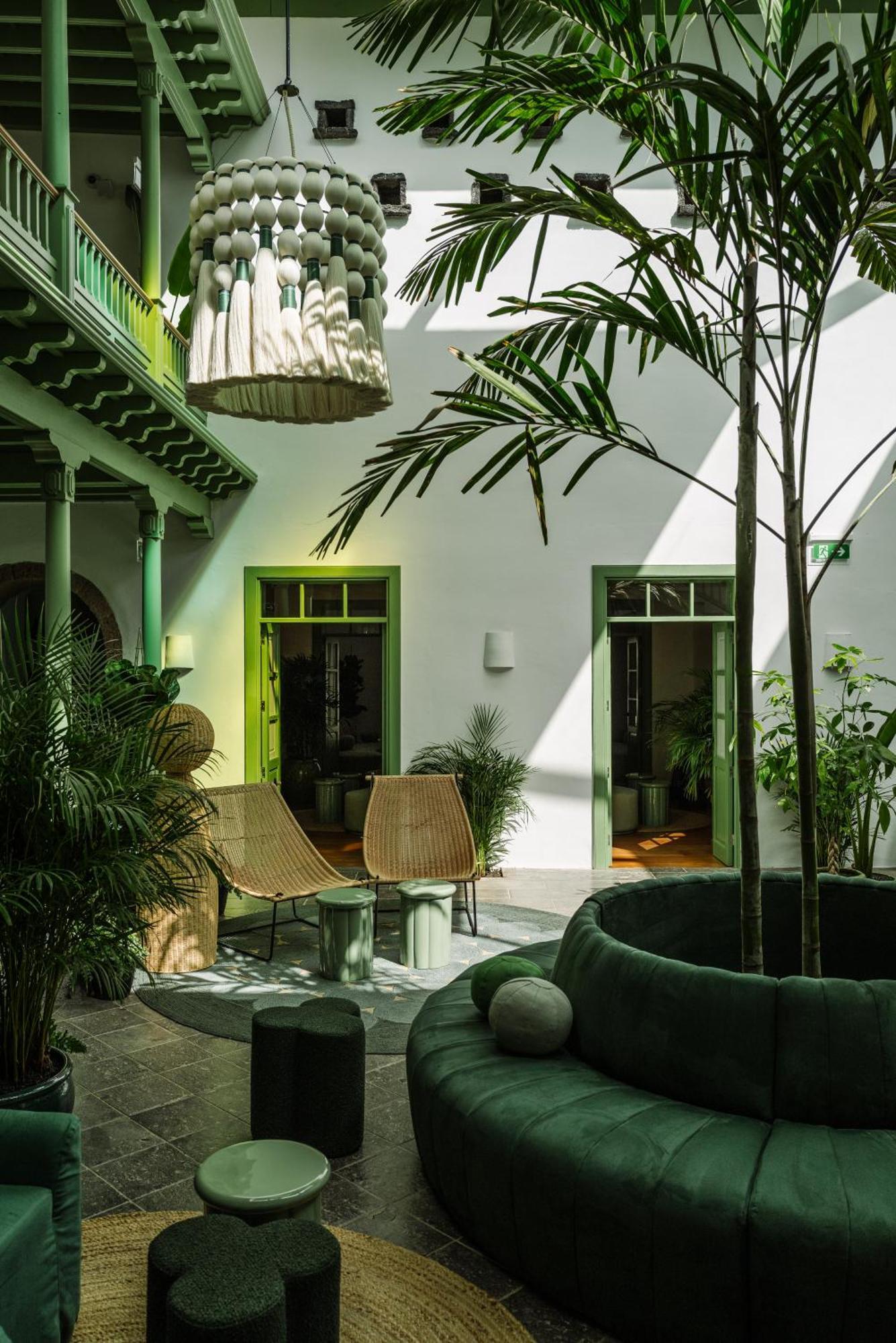
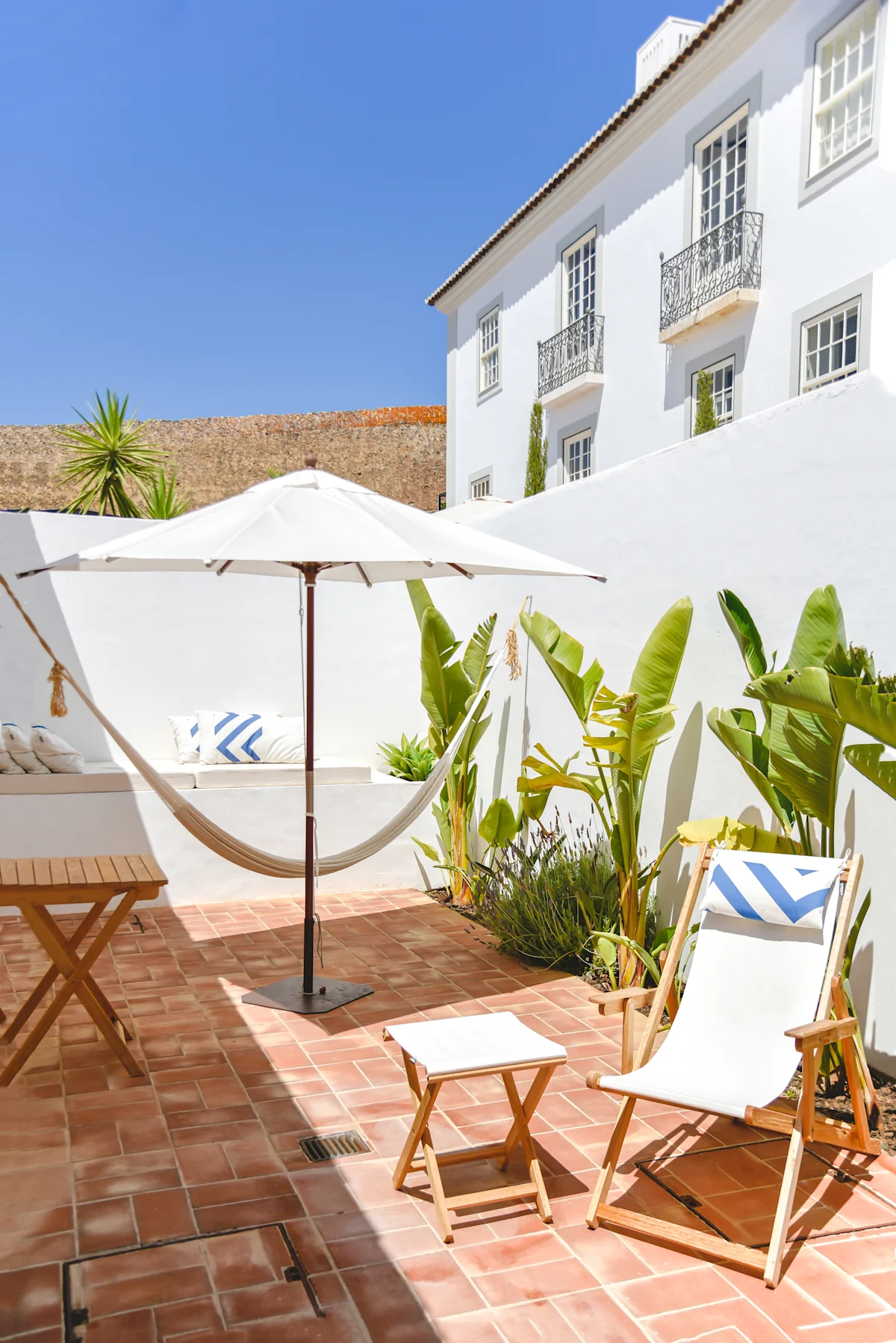
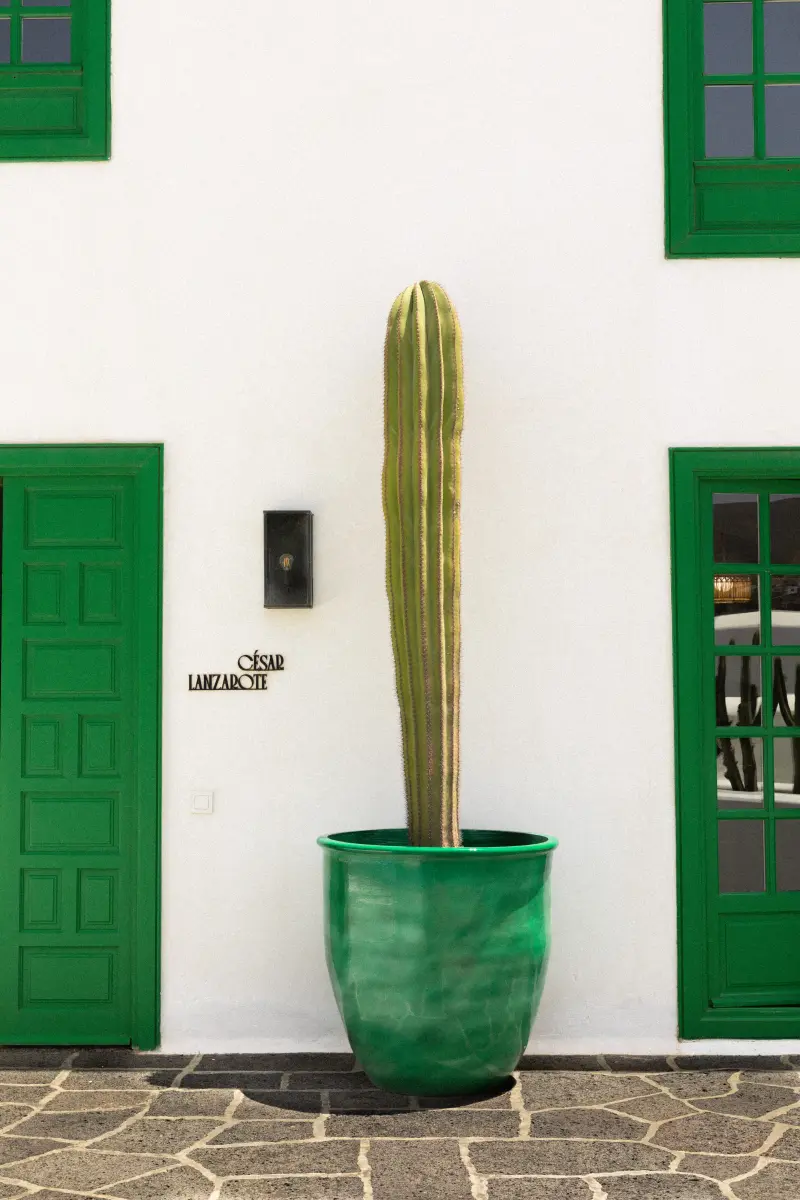
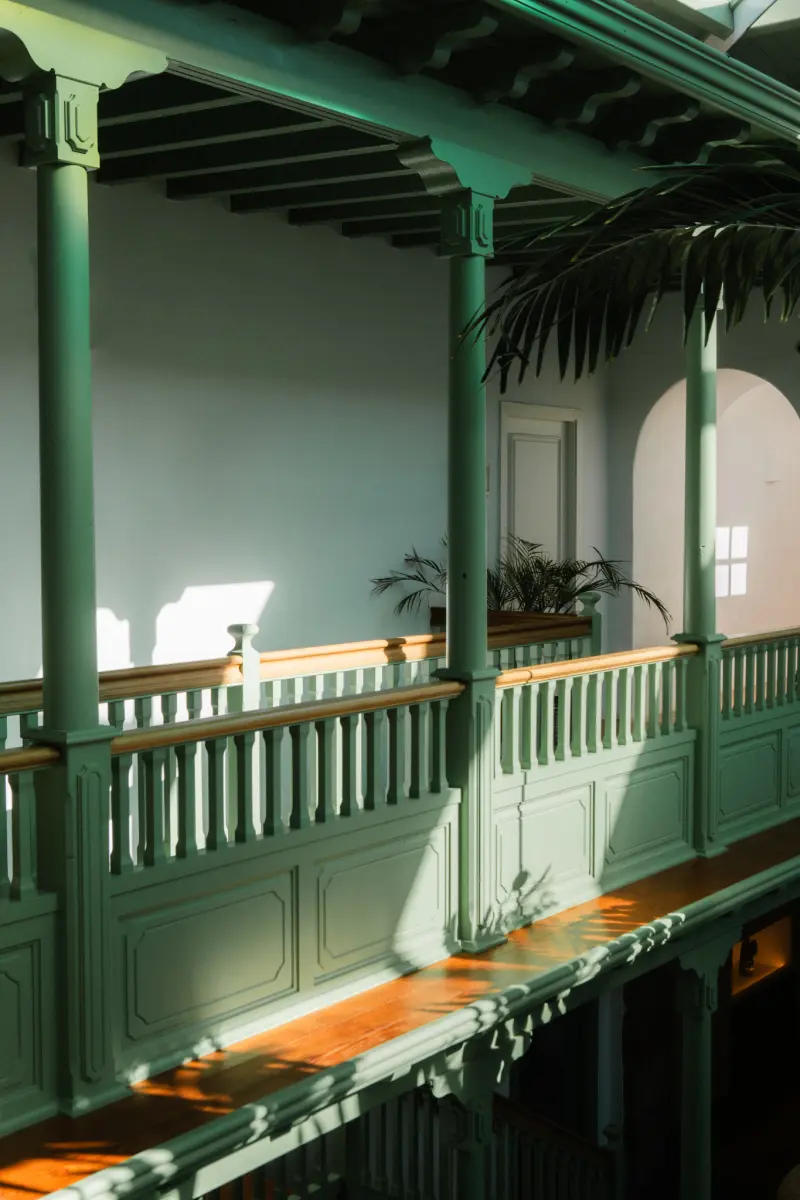
César Lanzarote occupies the old family home of César Manrique, the artist who, more than anyone, shaped how the island looks. It stands in the volcanic hills near the village of La Asomada, in the south, with the vineyards of La Geria behind it and the coast in view below. The building keeps its bones: whitewashed walls, wooden ceiling beams, original stonework, the low lines and green shutters that Manrique made the island's own. The house has been here a long time, the Manrique family's, and a girls' school back in the 1930s, before this latest restoration turned it into a hotel. There are twenty rooms, two of them suites, each one different.
Inside, the designer Virginia Nieto worked in neutral tones and natural materials, wooden floors, handwoven textures, the odd striped throw or piece of pale sculpture. Several rooms have a freestanding wooden tub, and the top suite has a private roof terrace looking out over the lava fields. The grounds are part of the appeal, walled gardens and old trees, the kind of place to lose an afternoon. Outside, a curved pool edged in black volcanic sand runs along a terrace among palms and cacti, heated for the cooler months.
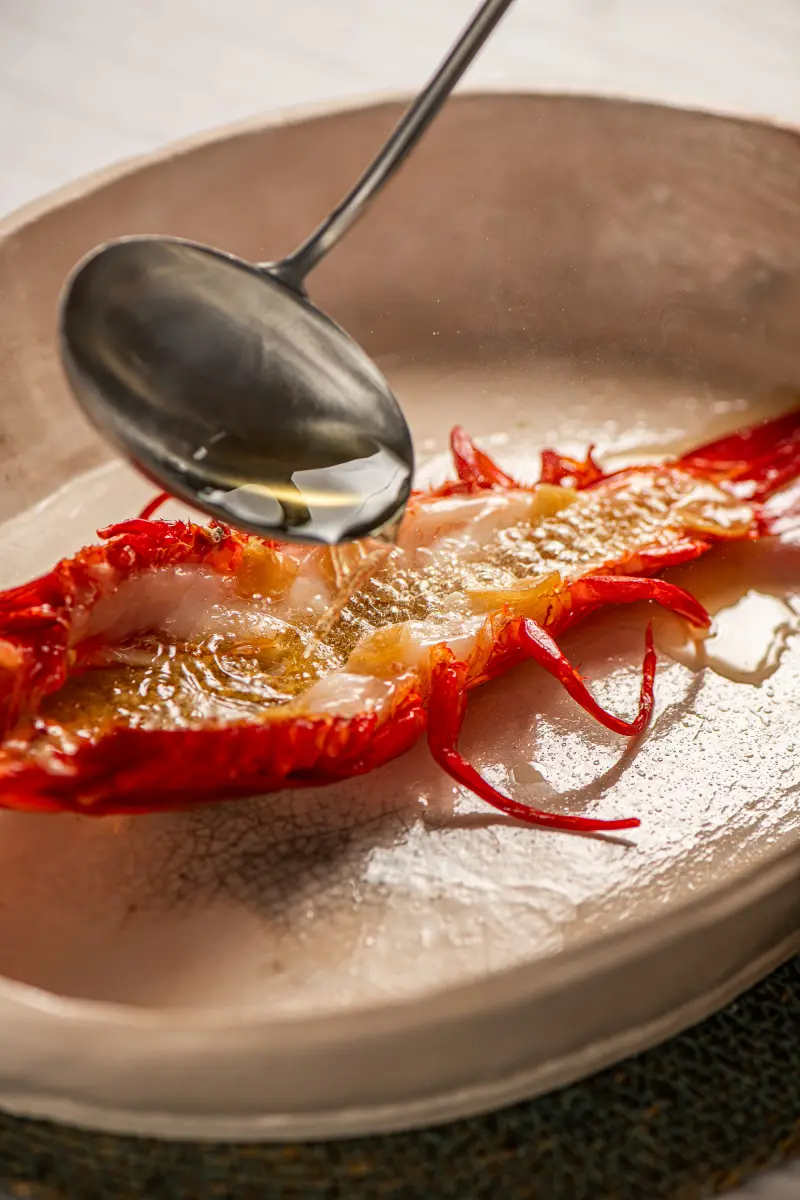
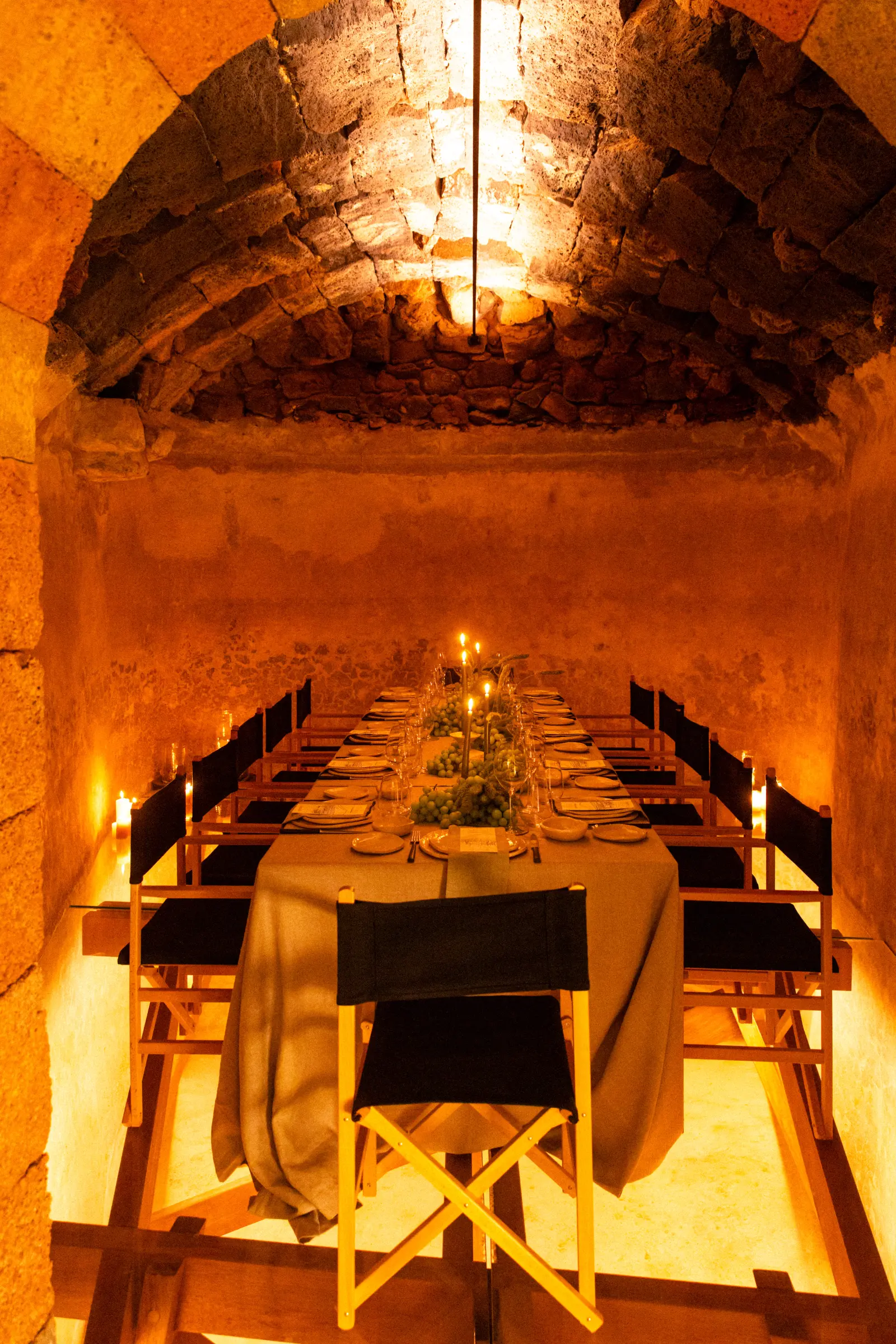
The restaurant, also called César, cooks Canarian, leaning on what the island and the sea give up: fish landed that day, suckling lamb, the goat cheeses the island is known for, all paired with the volcanic wines grown a few fields away. Breakfast is a long buffet, lunch and dinner run à la carte, and a pergola out in the garden seats a private table for up to eight. The bar pours island wines and proper cocktails, and on some nights the kitchen lays on a long tasting menu, fourteen courses, for a single table.
It is adults only, and quiet by design. There is a spa downstairs and a gym with morning yoga, and the staff will arrange a day out across the island. The surf is a drive north, where the swell hits the other coast. Famara, about thirty-five minutes away, is a long beach break under a great cliff, the easiest place to learn in the Canaries. Beyond it, the reefs around La Santa, El Quemao among them, throw heavy, hollow waves that are best left to surfers who know them.
La Geria, just up the road, is one of the strangest vineyards anywhere: single vines planted in pits scooped from black volcanic gravel, each ringed by a low stone wall against the wind. Manrique's hand is all over the island, in the cactus garden, the caves at Jameos del Agua, even the airport that now carries his name. Down on the coast, Puerto del Carmen and the quiet coves toward Papagayo are ten or fifteen minutes away, and the burnt-out plains of Timanfaya, where the island last erupted, half an hour west. Back at the house, the afternoon tends to end by the pool, the volcanoes going pink as the light drops.
-Ana-Lui_CesarLanzarote_AnaLui-27.webp)






The waves are on the far side of the island from the hotel, up on the north and west coasts, a drive of around forty minutes. Famara is the one most people head for, a long beach break running for several kilometres under a high cliff, sandy-bottomed and forgiving, the best place in the Canaries to learn. The reefs near La Santa are a different matter. El Quemao breaks hollow and hard over rock and draws experienced surfers when the swell is up, especially between October and March. The La Santa right is one of the most consistent waves on the island, again for surfers who can handle a reef. The season runs roughly September to April, when north-west swells come through. Some of the heavier spots are very local, so it pays to be respectful in the water.
The restaurant carries the hotel's name and cooks Canarian, built on what the island grows and lands: fish caught that day, suckling lamb, artisan goat cheeses, and the volcanic wines from the vineyards just up the road. Breakfast is a generous buffet; lunch and dinner are à la carte, with a fourteen-course tasting menu laid on for private tables. The bar runs island wines alongside cocktails. Out in the garden, a pergola shades a long table for up to eight. Most of what reaches the plate has come from Lanzarote itself, the sea on one side, the lava-grown vines on the other.
La Asomada is a scatter of houses in the volcanic middle of Lanzarote, in the Tías hills above the south coast. The land around it is the island at its strangest and best: black gravel fields, lava flows, and the vineyards of La Geria, where vines grow one to a pit, each behind a low curved wall against the wind. Much of how the island looks comes back to César Manrique, the artist who fought off the high-rises and built the landmarks, the cactus garden, the caves, and the clifftop lookout. Down on the coast, Puerto del Carmen has the restaurants and the diving, and the pale coves of Papagayo are a short drive south.
Lanzarote's airport, on the edge of Arrecife, is the only way in, and it is close, about fifteen minutes from the hotel; it carries Manrique's name now. From there, the road climbs inland through Tías toward La Asomada, where the hotel is tucked up a country lane among the vineyards. Arrecife, the island capital, is around fifteen minutes north.
Address: Camino del, Cam. Barranco Por la Vegueta, 24, 35572 La Asomada, Las Palmas, Spain
Check-in: 15.00
Check-out: 12.00
Related hotels