No items found.
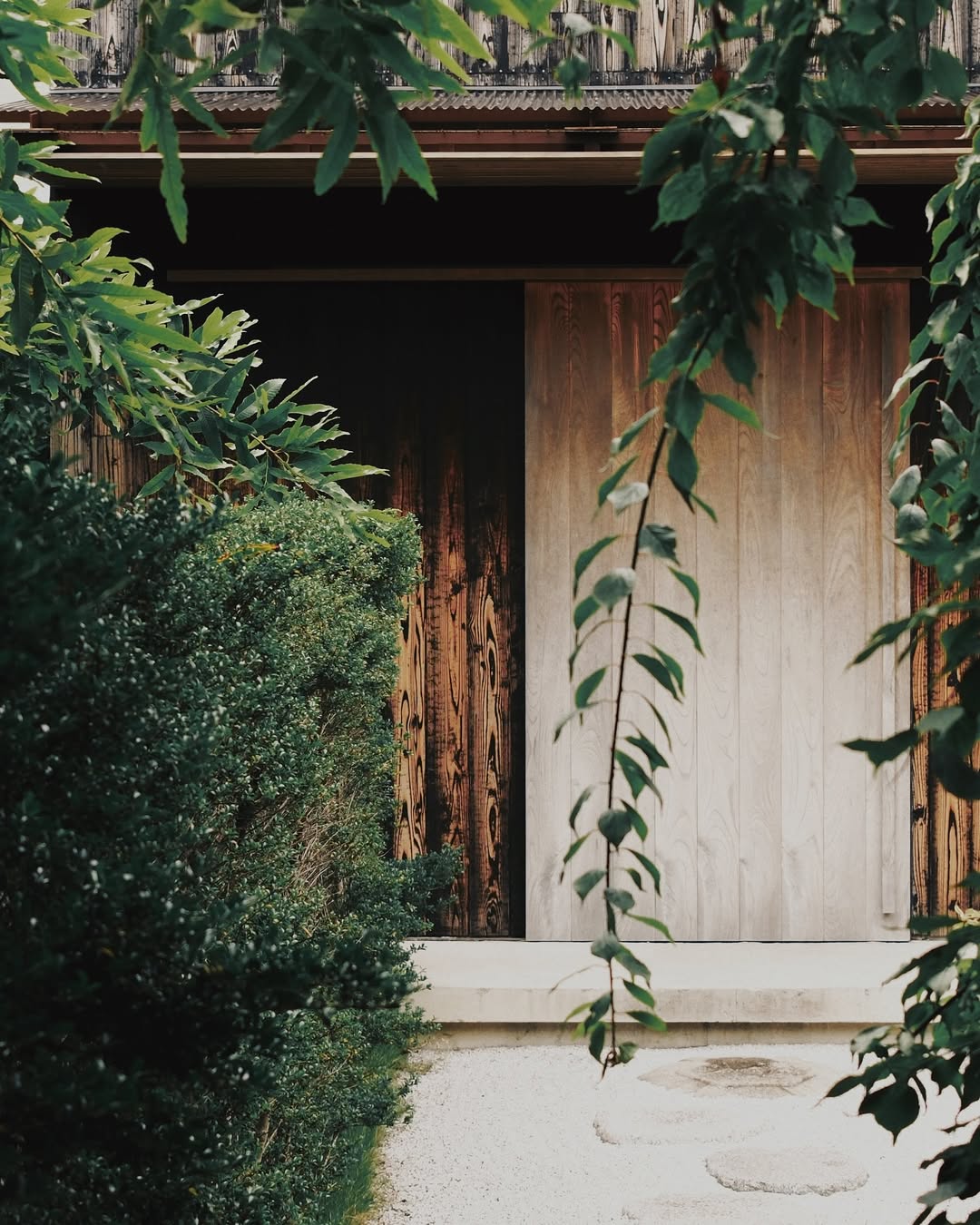
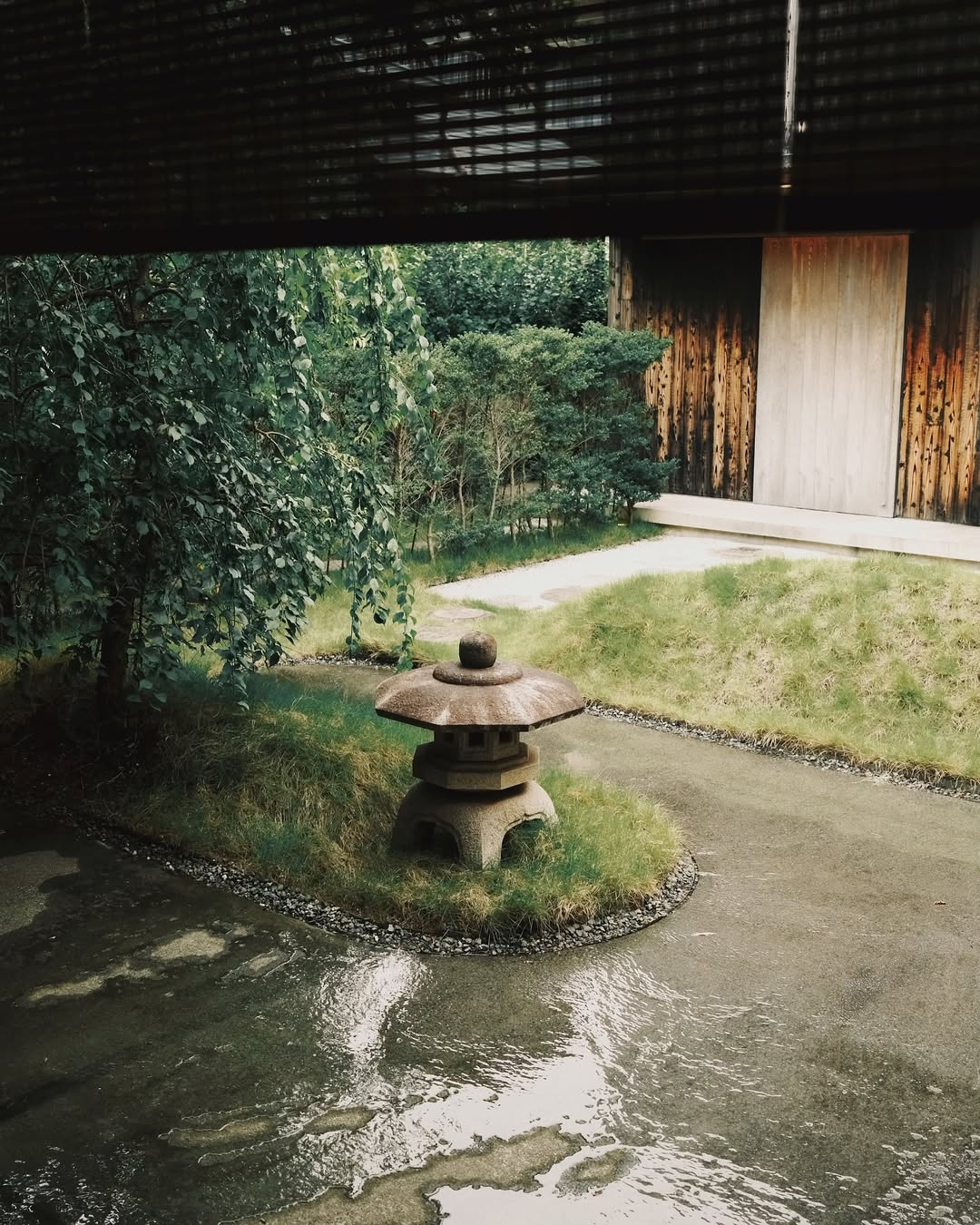
In the old temple quarter of Kamakura, a few minutes from the Great Buddha and the beach. Just one group stays at a time, in a modern ryokan built with materials from an old samurai house, around a cypress bath and a quiet garden.
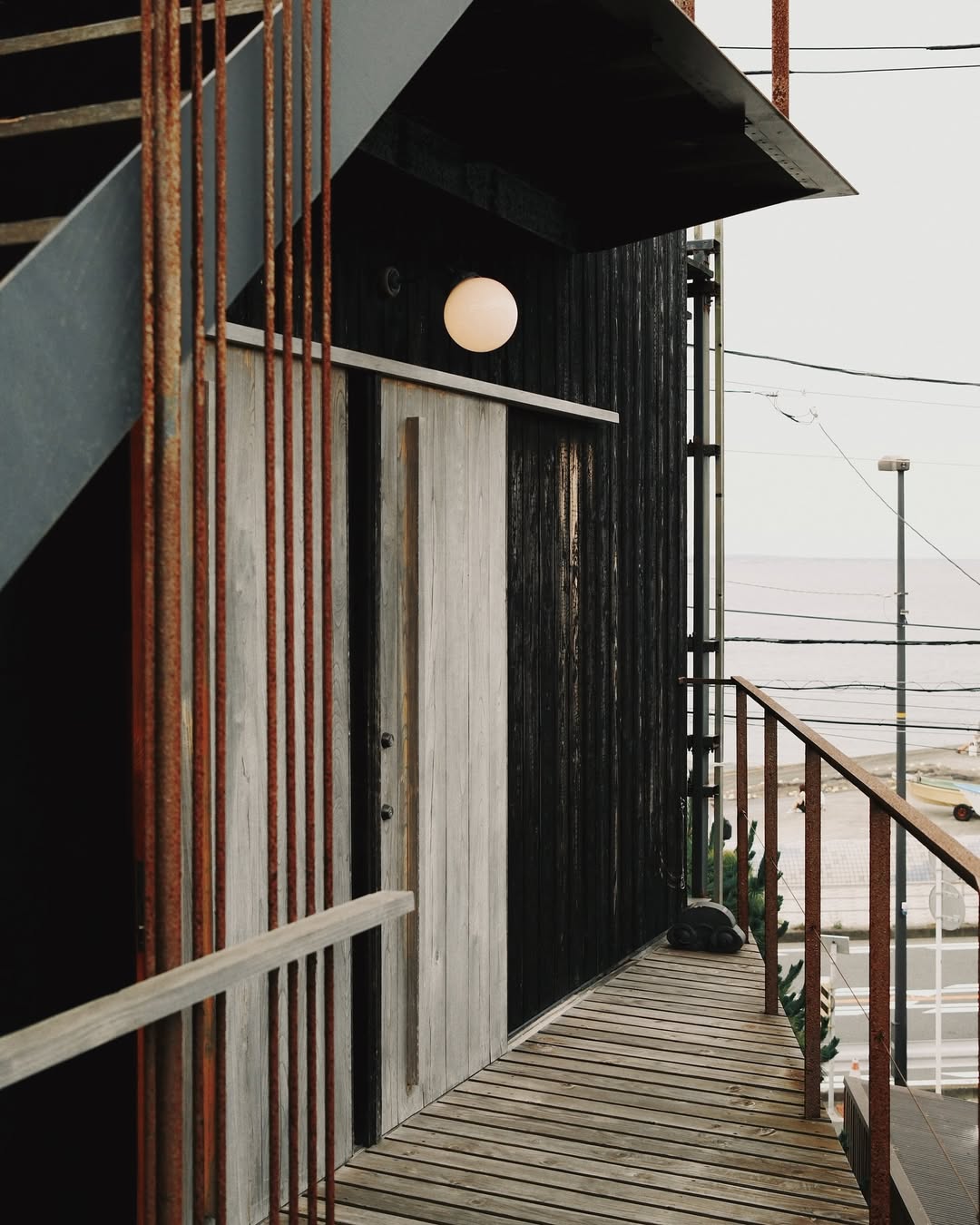
Built with materials from an old samurai house and reworked in a quiet, contemporary hand, Kishi-ke is a small ryokan in the Hase district of Kamakura, a few minutes from the sea and the Great Buddha. It belongs to the Kishi family, who trace their line back to samurai, and they let it to one group at a time: book it and the whole house, up to four guests, is yours. The idea behind it is an old Zen one, chisoku, roughly the art of being content with enough. There is a lounge with a bar, and staff on hand but mostly unseen.
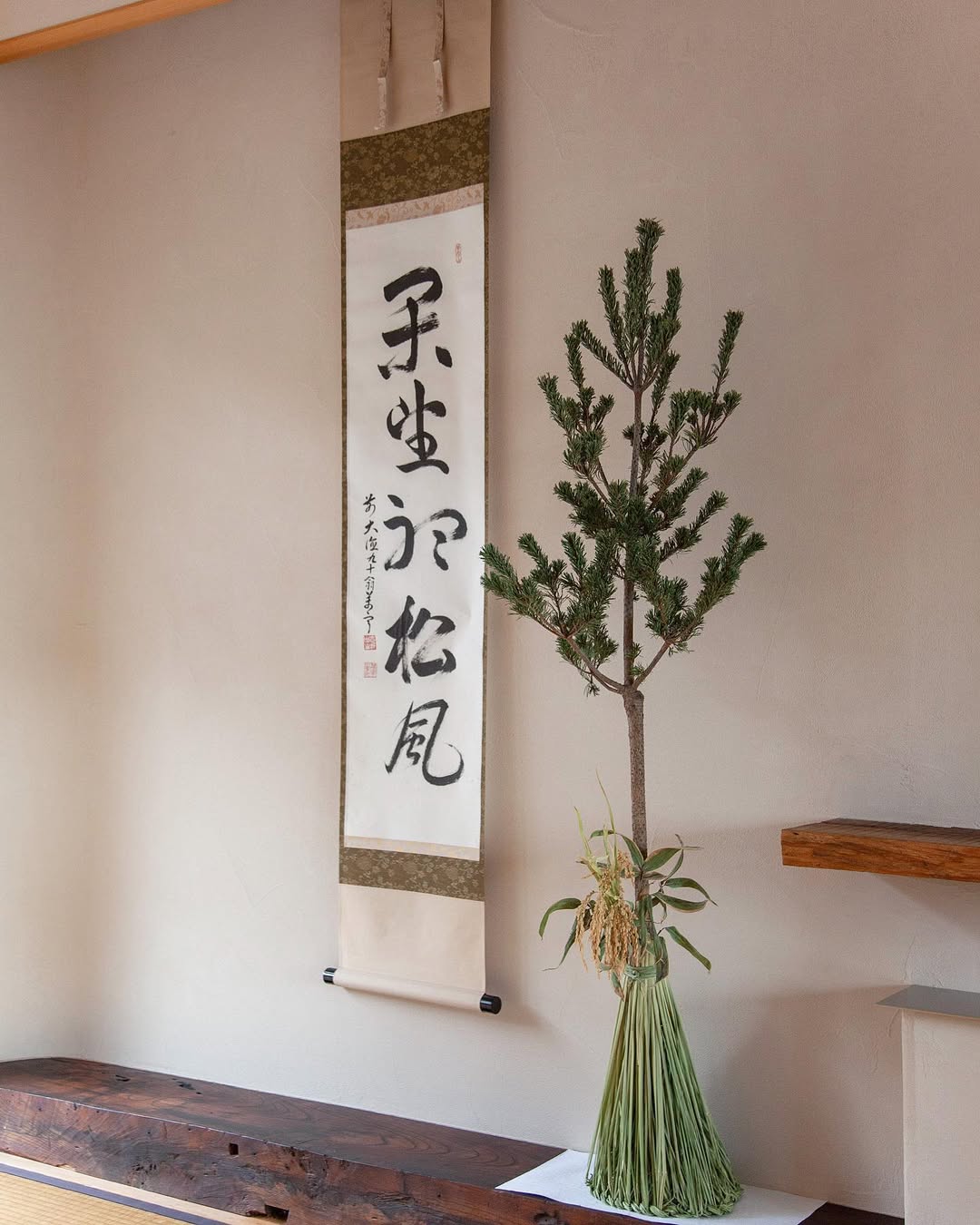
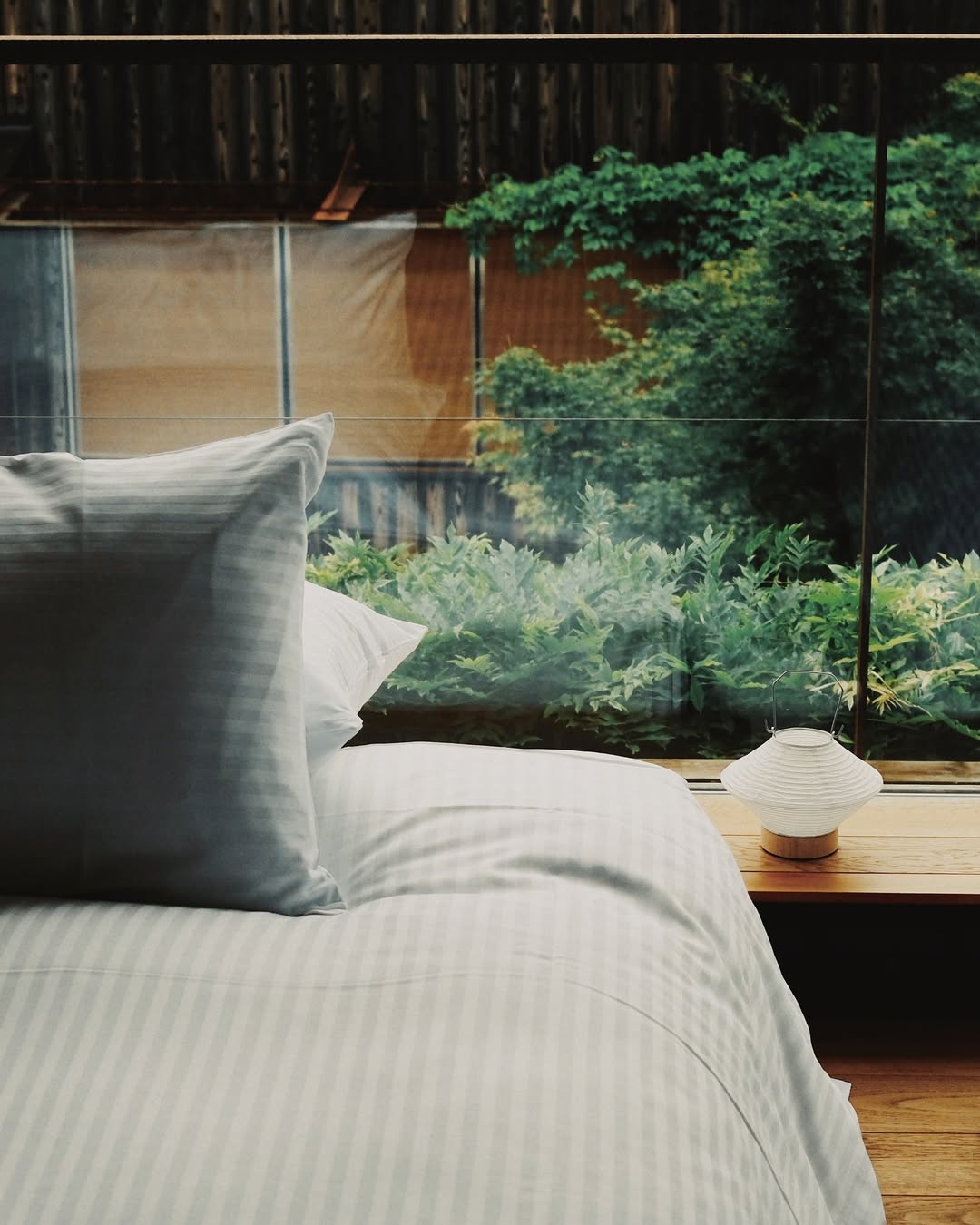
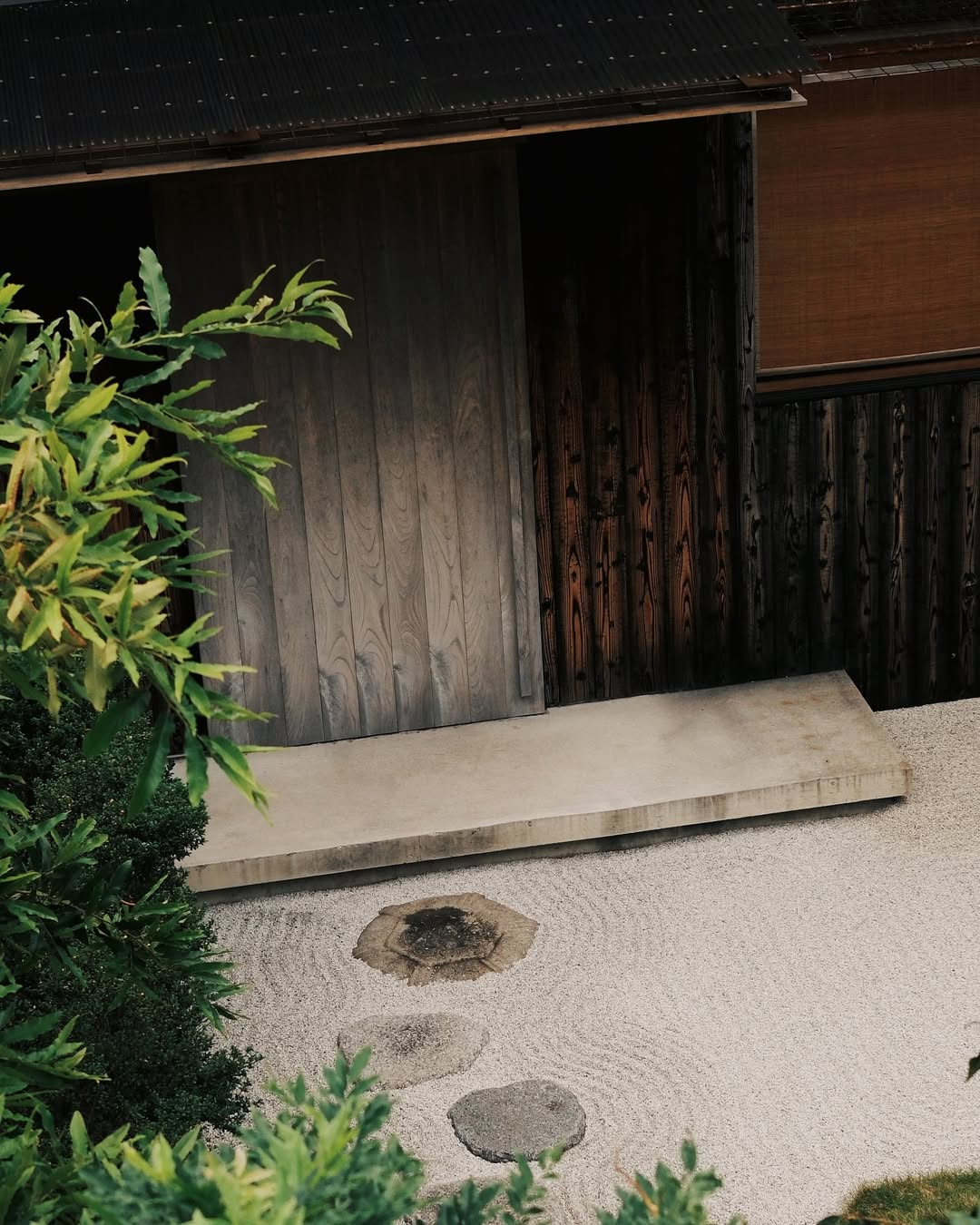
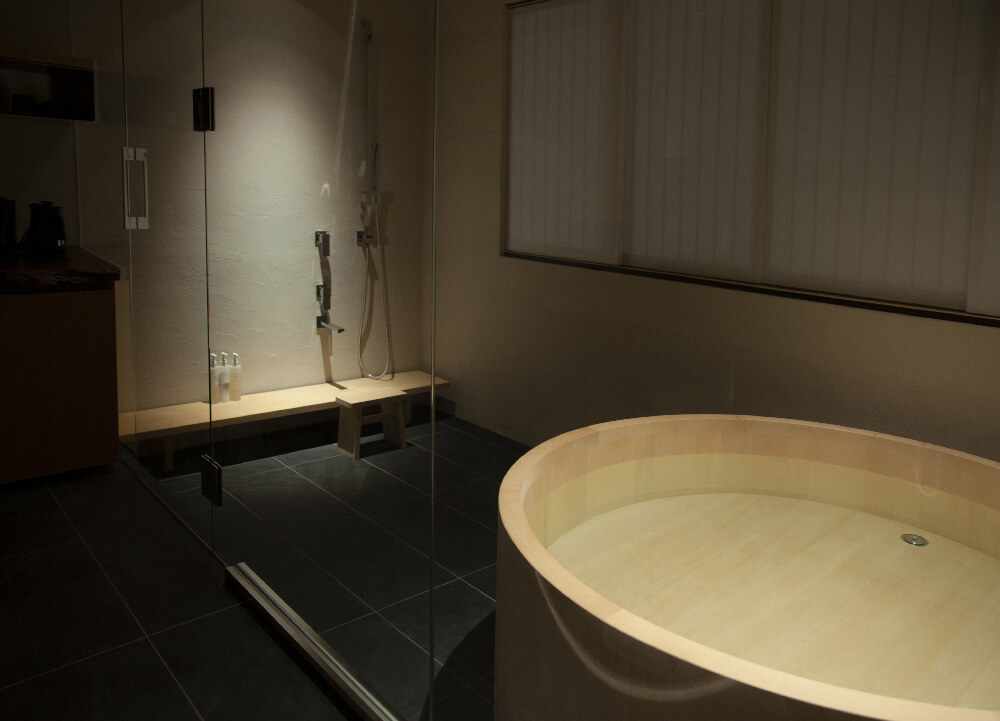
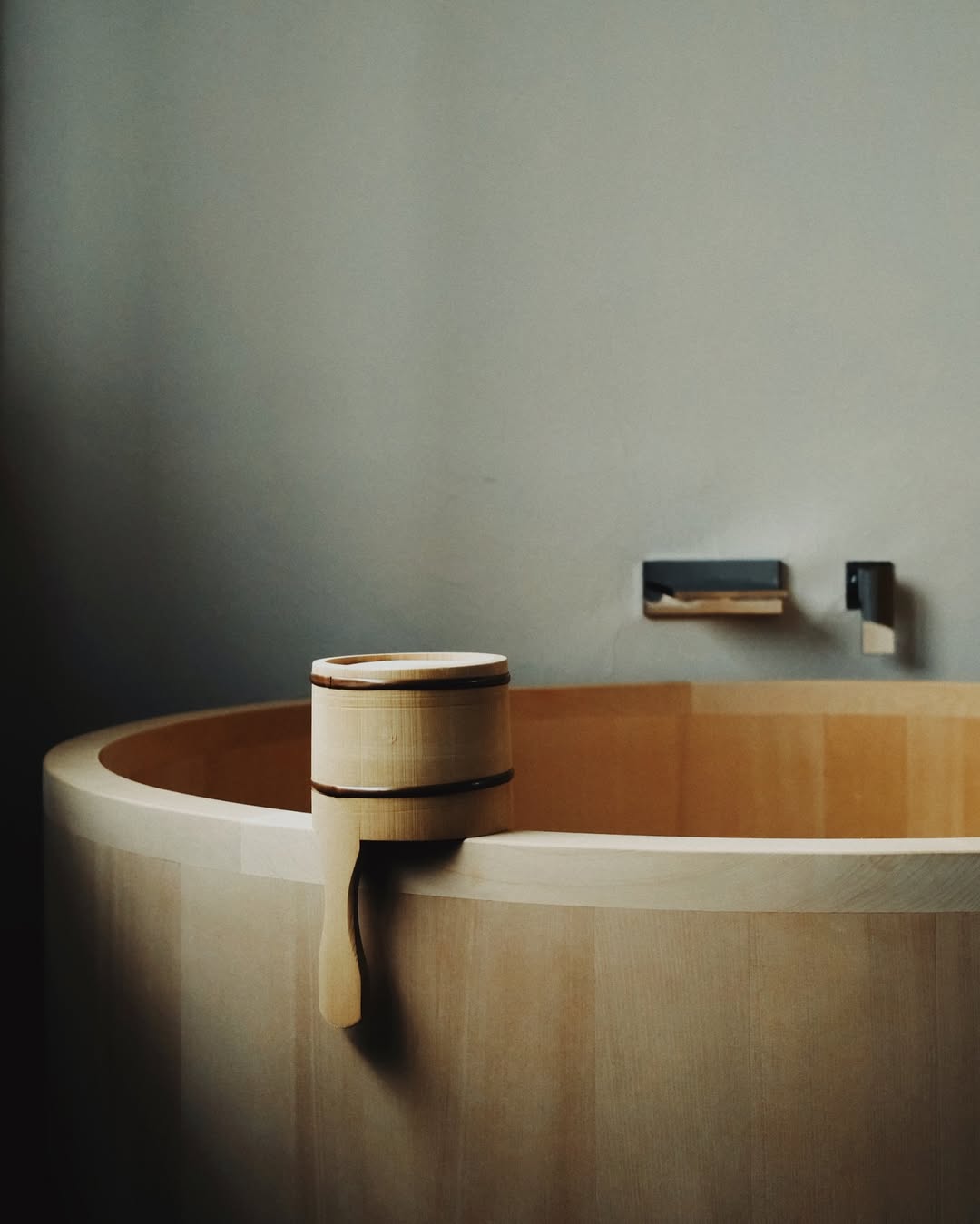
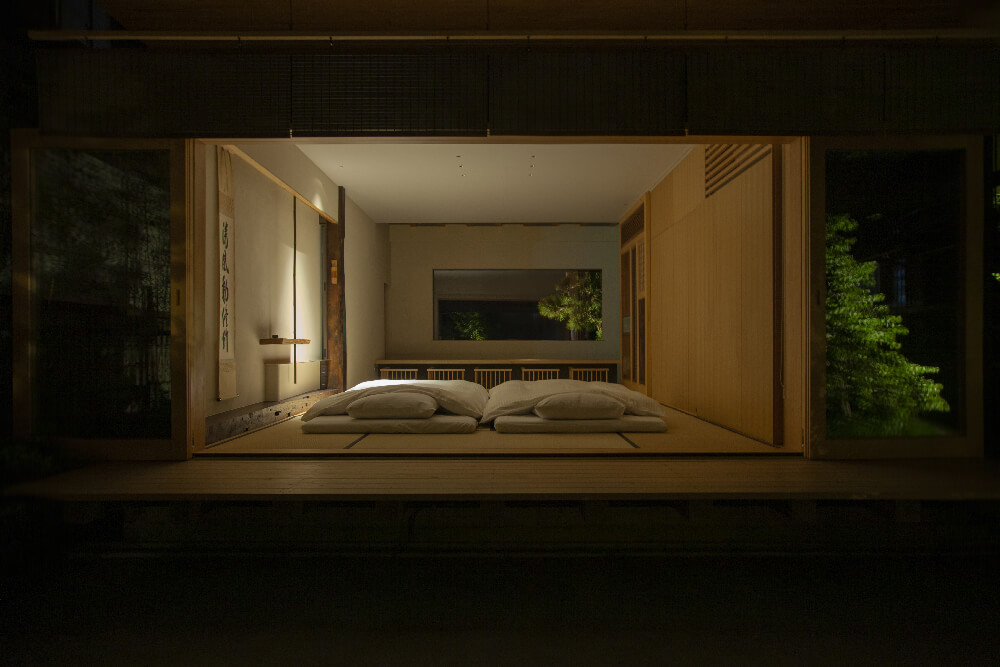
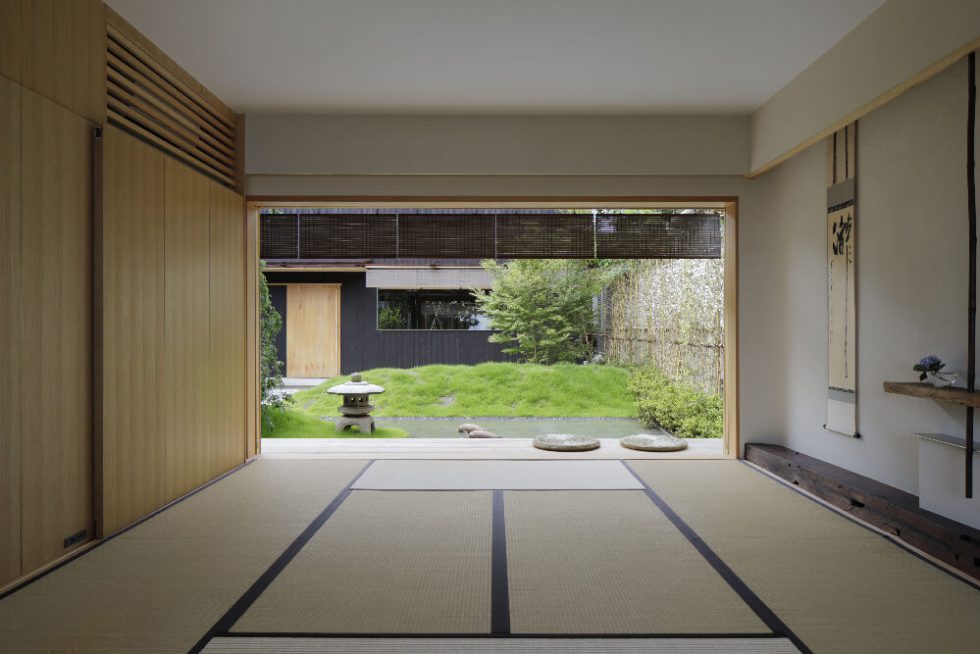
Inside, it is what a Japanese inn should be, and a little more. There is a traditional tatami room, floored in soft woven mats, for sitting and tea, a bedroom, and a covered wooden veranda that runs along the garden. The bathroom has a deep tub built from fragrant Japanese cypress, which scents the whole room when it is filled. Old dark beams and sliding paper screens meet the clean lines of the newer work, and the screens pull back to open the rooms onto a small raked garden. Green tea in the morning, a long soak in the bath, the garden quiet through an open screen.
Food is part of the stay, and it follows the same Zen thread: quiet, seasonal and almost entirely plant-based. It is made to be eaten slowly. Beyond the gate, Kamakura is a serious eating town in its own right, full of small soba counters, tea houses and cafés, much of it a short walk or a short ride away.
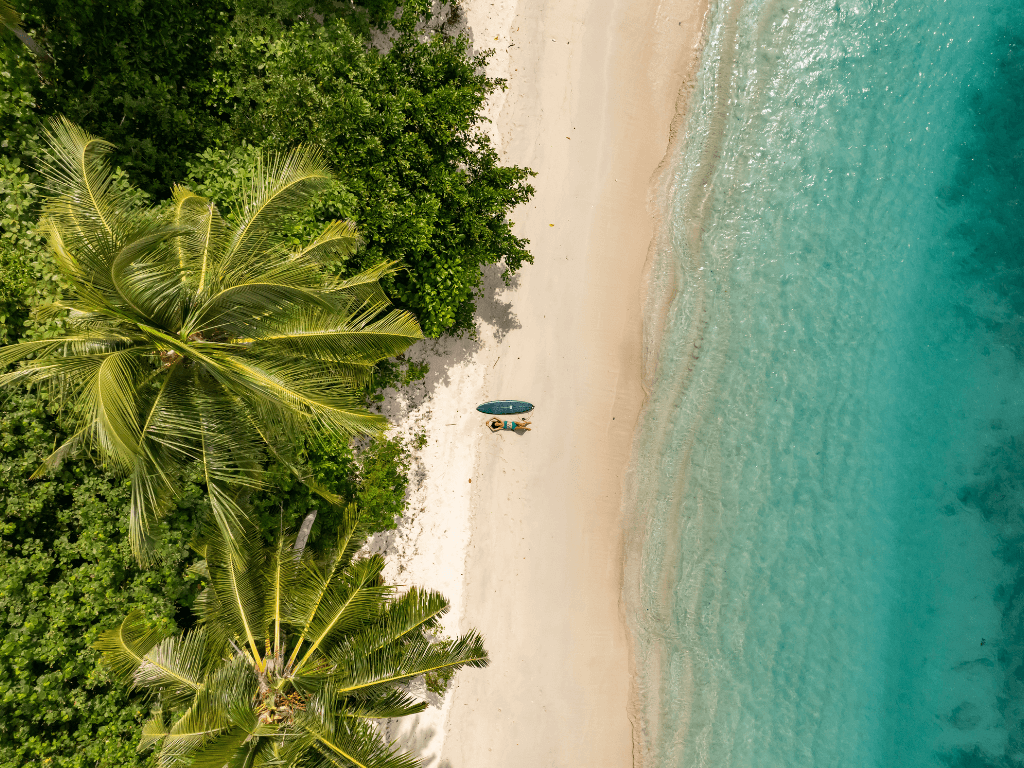
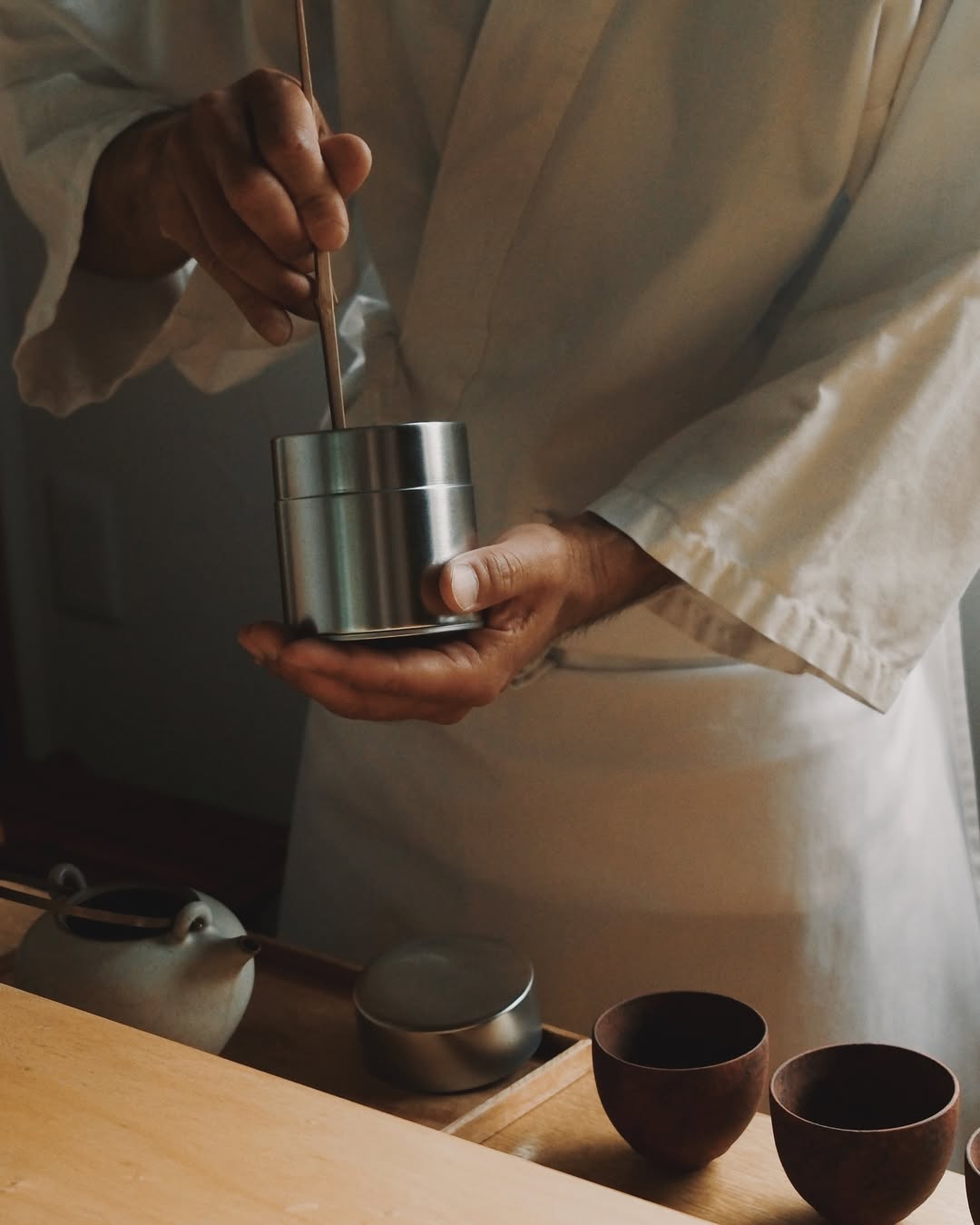
The Kishis build the stay around experiences if guests want them, a tea ceremony, zen meditation, even a turn at swordwork or kintsugi, the art of mending broken pottery with gold. The sea is close. Yuigahama, the town beach, is a few minutes away, a mellow, sandy break that suits beginners and long-boarders, and fills up on summer weekends. West along the coast, a few minutes by train or car, Inamuragasaki is rockier and for stronger surfers, and Shichirigahama is the main Kamakura wave, best in spring and autumn, with Mount Fuji out across the bay on a clear day. Boards are easy to come by in town, and dawn is the time to paddle out, before Tokyo arrives.
Kamakura was the seat of Japan's first samurai government eight hundred years ago, and the temples from that age are still its heart. The Great Buddha stands in the open a few streets from the house, Hase-dera's hillside gardens turn blue with hydrangeas in June, and the great Zen monasteries of Kencho-ji and Engaku-ji are a short train ride north. Many of the lanes around the house are too narrow for cars, walled with old hedges and temple gates. The retro Enoden trundles along the shore between the temples and the beaches, and Komachi-dori, the old shopping street, runs back from the main shrine. In the evening, with the house to themselves, most guests end up back on the engawa, the garden going dark beyond the screens.
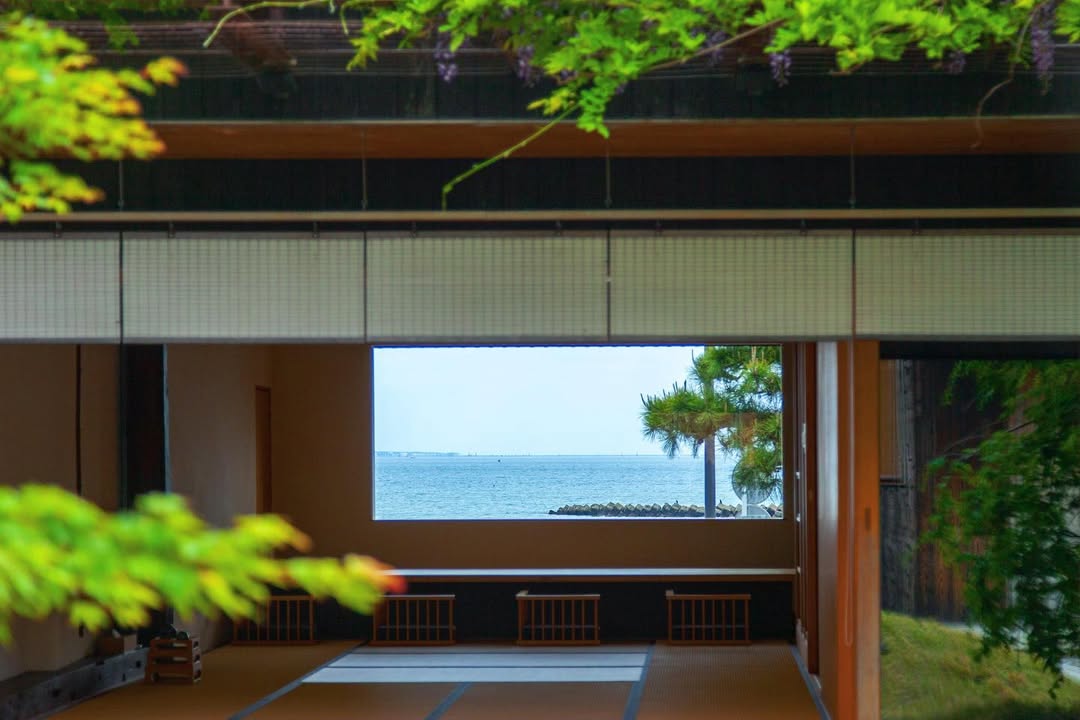



Kishi-ke is a few minutes from the water, in the stretch of coast around Kamakura that Tokyo treats as its local surf. Yuigahama, the town beach, is the closest, a mellow sand-bottomed break that is easy for beginners and longboarders and gets busy on warm weekends. Just west, past the headland, Inamuragasaki is rockier and more exposed, a spot for surfers who know the reef and the tides. Further along, Shichirigahama is the main Kamakura wave, with views of Enoshima and, on a clear day, Mount Fuji across the bay; it tends to be best in spring and autumn. The bay is fairly sheltered, so the waves are often small, and the bigger swells arrive with late-summer and autumn typhoons. When there is swell on a weekend, expect half of Tokyo in the water.
Food at Kishi-ke is plant-based and rooted in shojin ryori, the vegetarian cooking developed in Japan's Zen monasteries. Breakfast is seasonal and meat-free, dinner a quiet procession of small vegetable dishes, prepared and served privately in the house rather than a dining room. Tea runs through the day, matcha, sencha and hojicha, sometimes as a full ceremony. There are cooking sessions too, shojin dishes or vegetable sushi, for guests who want to learn a little. It is unhurried, careful food, the kind that asks you to slow down and pay attention to what is on the plate.
Kamakura was the capital of Japan's first shogunate, eight centuries ago, and that history is still everywhere: the open-air Great Buddha, the hillside temple of Hase-dera with its June hydrangeas, and the great Zen monasteries strung through the hills behind the town. It is a small place between wooded hills and the sea, laced with narrow lanes, temple gates and the retro Enoden tram that runs along the shore. There is good, careful food, from temple-style vegetarian cooking to soba counters and tea houses, and a long surf and beach culture along the coast. Tokyo is under an hour away by train, which makes the slow pace here a deliberate thing.
Kamakura is an easy trip from Tokyo, about an hour by train on the JR Yokosuka line, then a few minutes on the local Enoden to Hase, the nearest station and a short walk from the house. The nearest airports are Haneda, around an hour away by car, and Narita, around two. The ryokan can arrange a pickup from Tokyo or Yokohama hotels. Within Kamakura, most things are walkable or a stop or two along the Enoden.
Address: 21-5 Sakanoshita, Kamakura, Kanagawa 248-0021, Japan
Check-in: 15.00
Check-out: 12.00
Related hotels