No items found.
On a quiet stretch of Sumba's southwest coast in eastern Indonesia, eleven villas have a wild reserve and a long beach almost to themselves. Each has a private pool and handcrafted interiors. Horses cross the sand, and most days the beach is yours alone.
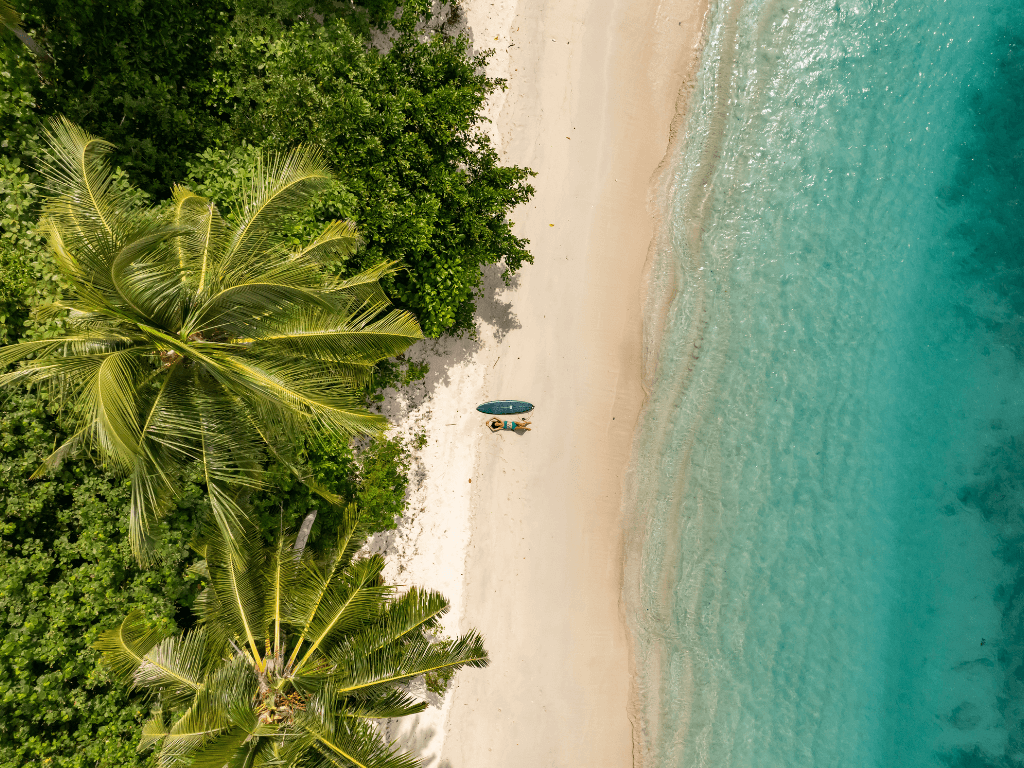
Eleven villas have a stretch of the southwest Sumba coast almost entirely to themselves. The reserve runs back from a long, empty beach into hills and farmland, and there are seven beaches within reach of the property, several of them connected to it, so guests routinely have one to themselves for a day. Getting here takes a flight from Bali and an hour more by road, which is part of why the coast stays this quiet.
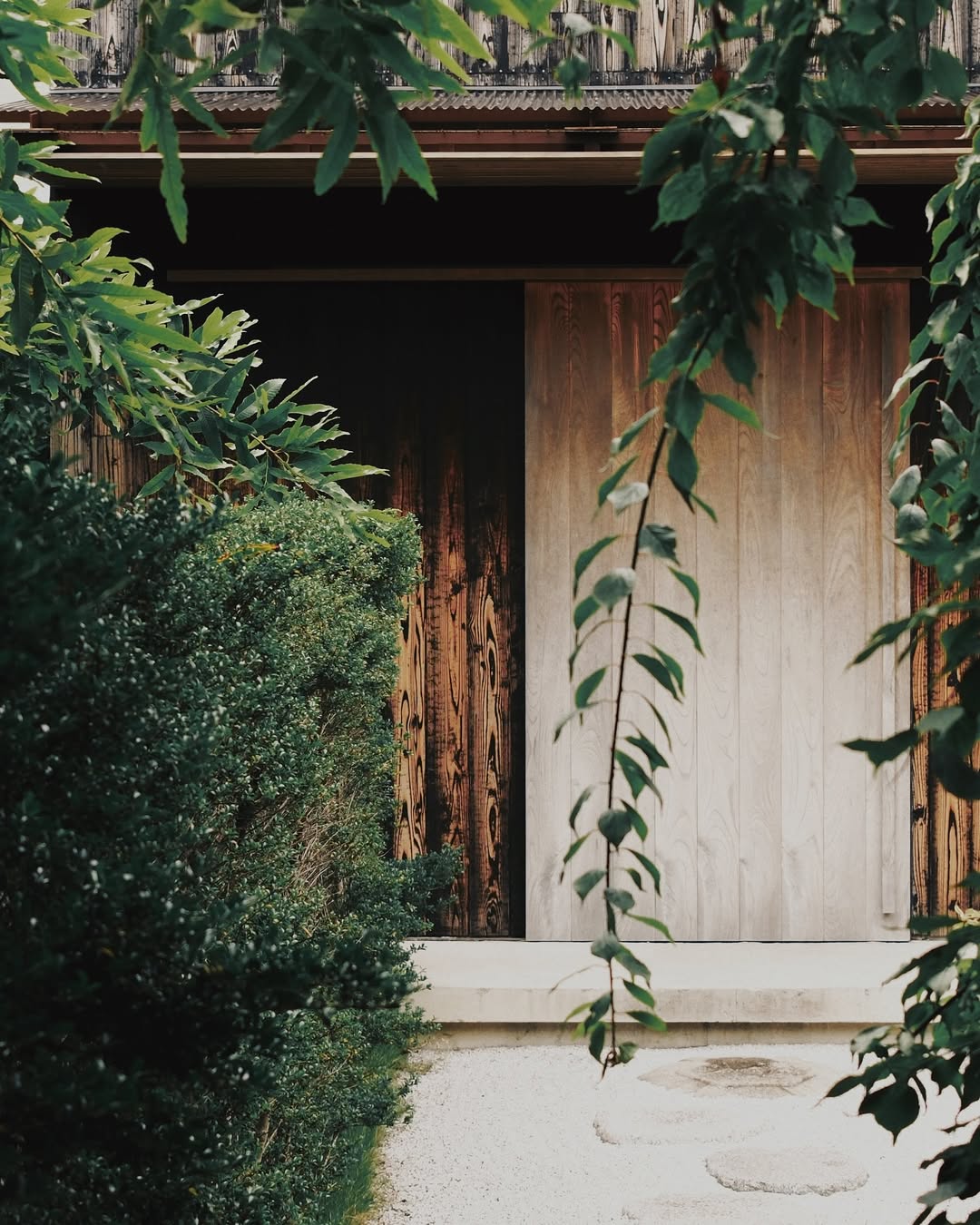
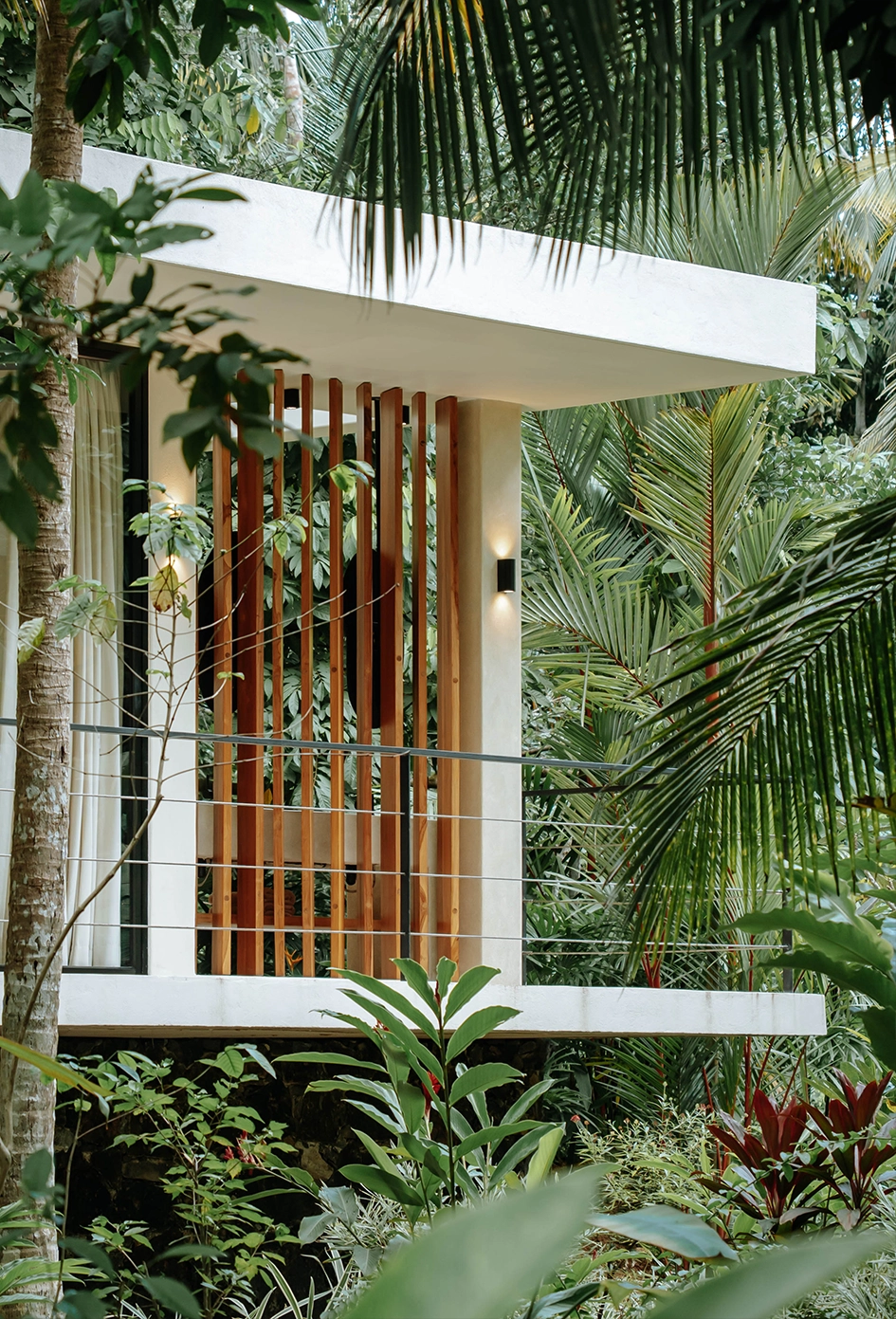
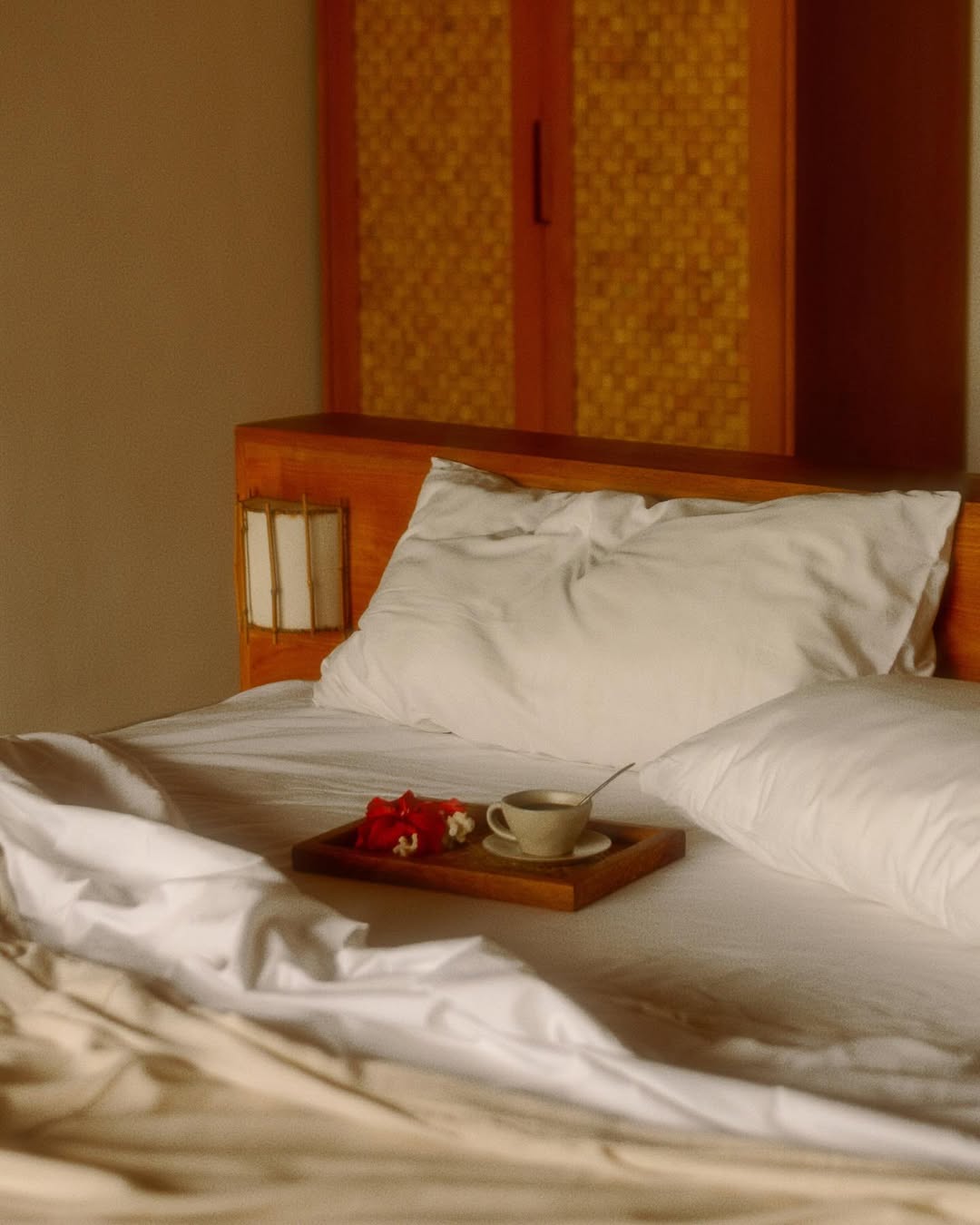
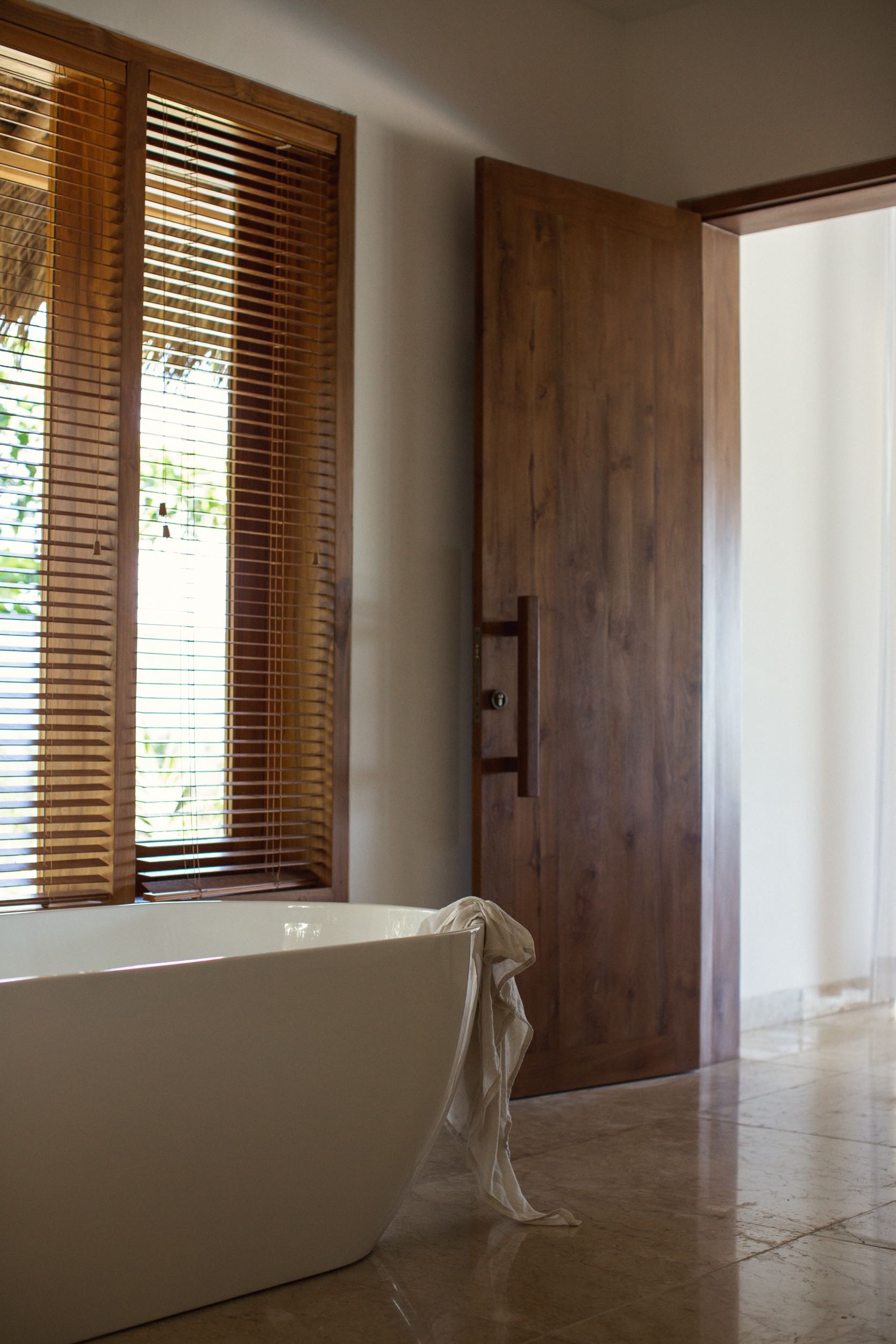
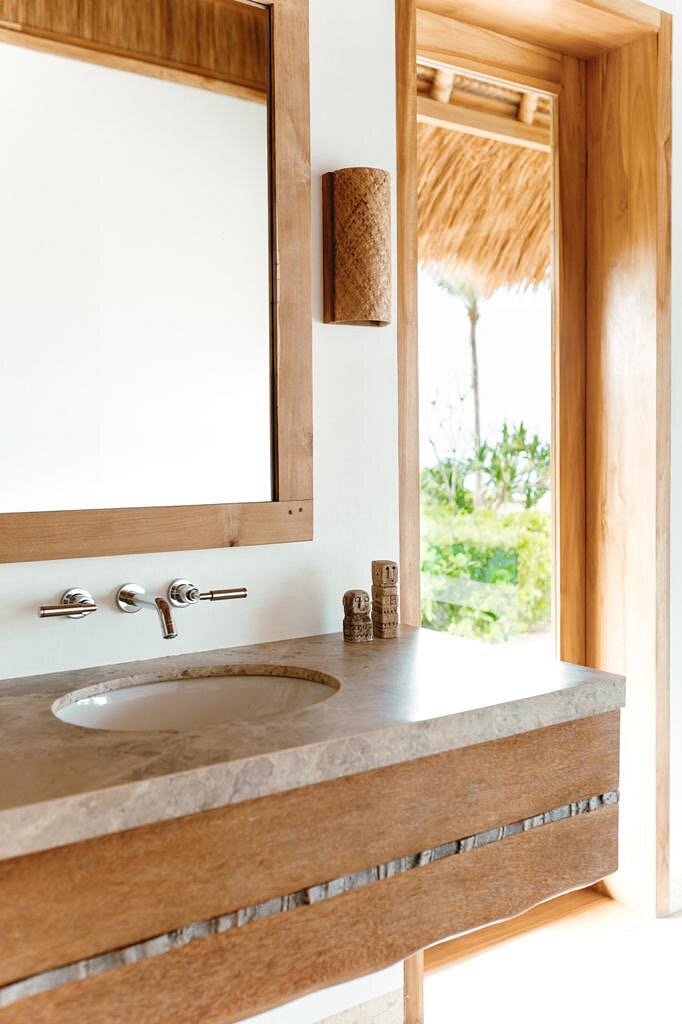
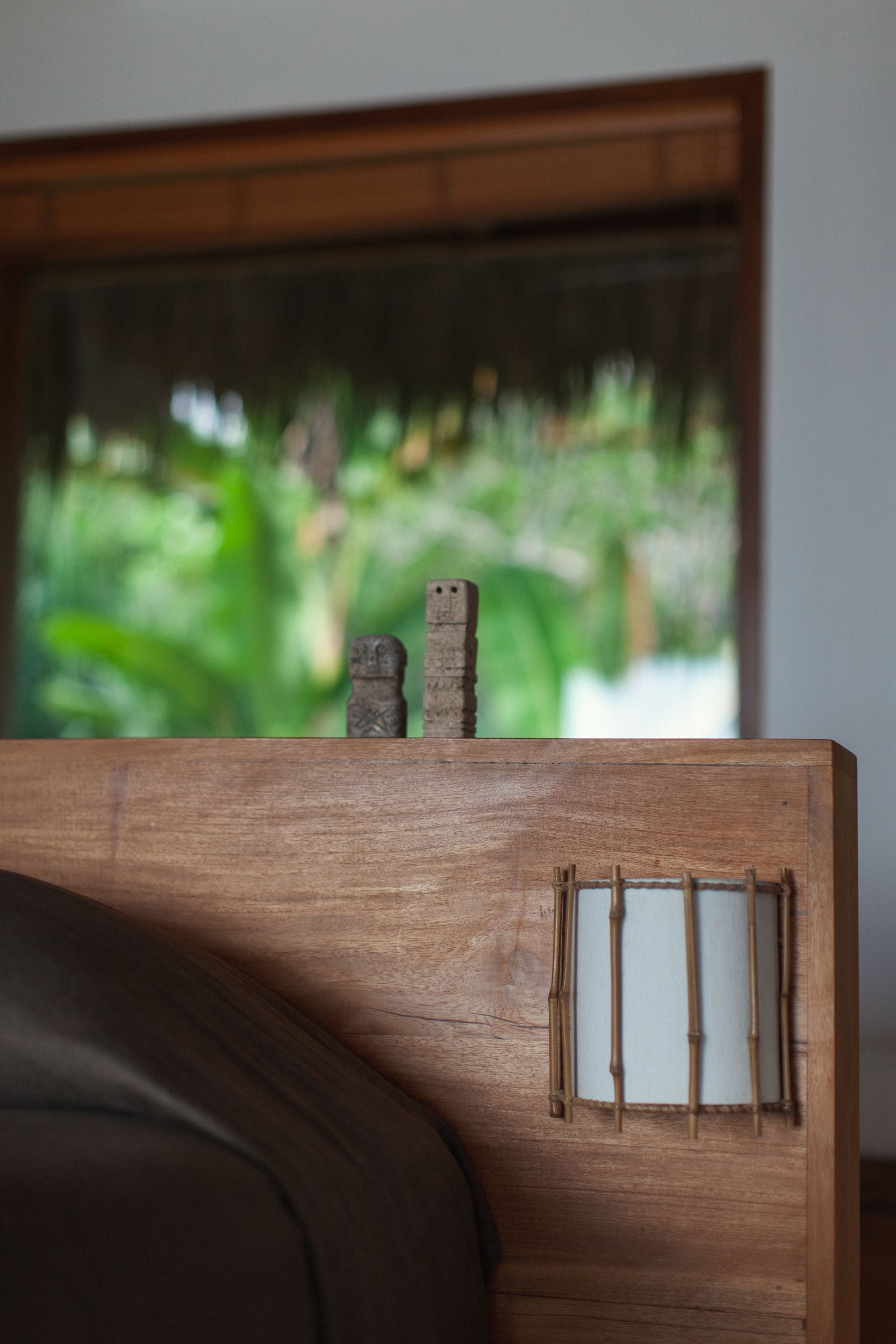
The land belongs to the ancestral territory of the Marapu people, and The Sanubari was built to tread lightly on it: local limestone, teak and other island hardwoods, rattan, and roofs thatched in alang-alang grass. Inside, the villas carry ikat weavings, wood carvings and ceramics made on the island, with handcrafted furniture in neutral tones. Window walls slide back so each room opens onto its own pool, a day-bed and the beach beyond. High ceilings and ceiling fans handle most of the cooling, with air conditioning for the hottest part of the day. The villas run from studios to a two-bedroom, eight along the beachfront and three set in the garden; the larger ones add outdoor showers, bathtubs and a separate lounge.
The tide tends to be cleanest soon after sunrise, and horses are usually on the sand at first light. Guests can ride them along the beach and through the hills, or swim alongside them bareback in the shallows. Buffalo wander the beach, fishermen work the shore, and there is no nightlife to speak of. Wifi reaches the villas but runs slow this far out. The staff, around a hundred people from the surrounding villages, run the place by WhatsApp: a message from anywhere on the property brings whatever is needed, and they learn guests' names within a day.
Three waves break right in front of the resort, with more reachable by boat or bike along that empty coast. Marosi, the next reef break along, is a short drive. The same water is good for paddleboarding over reef, where turtles come up for air.
The restaurant runs along the beach and opens from early until late. Tables stand under a thatched roof strung with lights, a short step from the water. Much of what reaches the kitchen comes from the resort's own farm and from local growers, with seafood line-caught out front. Indonesian dishes share the menu with wood-fired pizza and sashimi, and the bar mixes its own cocktails. Breakfast comes with the room, and dinner can be set up in the villa or on the sand for two.
The roughly hundred staff come from the villages around the reserve, and through long ties with those kampungs the resort arranges village visits, ikat weaving sessions and pottery classes, with guests invited to local ceremonies now and then. Inland there are freshwater rivers to paddle past rice paddies, hills to bike, and the waterfalls of the Wanukaka valley about 45 minutes away, and the Jungle spa handles massages and facials between outings. Much of the resort runs on solar power, thousands of native trees have been planted across the reserve, and the owners have built a school and water stations for the surrounding villages.


Three waves break directly in front of the resort, a short walk from the villas, and more lie within a boat or bike ride along the coast. A little further on, Marosi is a reef break with lefts and rights, the right the longer wall, drawing a small crowd at the height of the season. Wanukaka, further east, is a right-hand reef that also picks up wet-season swell. The dry months, roughly May to October, bring the cleanest conditions: southwest groundswell and light offshore wind in the mornings. Crowds stay thin, and an empty lineup is common.
The restaurant runs along the beach and opens from seven in the morning until late. Much of the produce comes from the resort's own farm and from neighboring growers, and the seafood is line-caught in the water out front. The kitchen cooks Indonesian dishes alongside wood-fired pizza, fresh sashimi and Western plates, and the bar mixes its own cocktails. Breakfast is included, and the chef caters to vegan, vegetarian and gluten-free diets with notice. Meals can move to the villa, or to a table set on the sand for two. After dark, the main company is the stars.
Sumba lies in eastern Indonesia, east of Bali and well off the main tourist track. It is one of the last places where megalithic burial is a living practice: prominent islanders are still laid to rest under massive carved stone tombs, and traditional villages keep the Marapu religion of ancestral worship. The island is also known for ikat, handwoven and colored with natural dyes from bark, roots and leaves, and sold through women's weaving collectives. Getting there is a 50-minute flight from Bali to Tambolaka Airport, then about an hour by road to the resort, which can arrange private transfers.
Related hotels